Here is something that most NGOs know but rarely act on: Donors decide with emotion and justify with logic. Catch their heart first, and the mind follows.
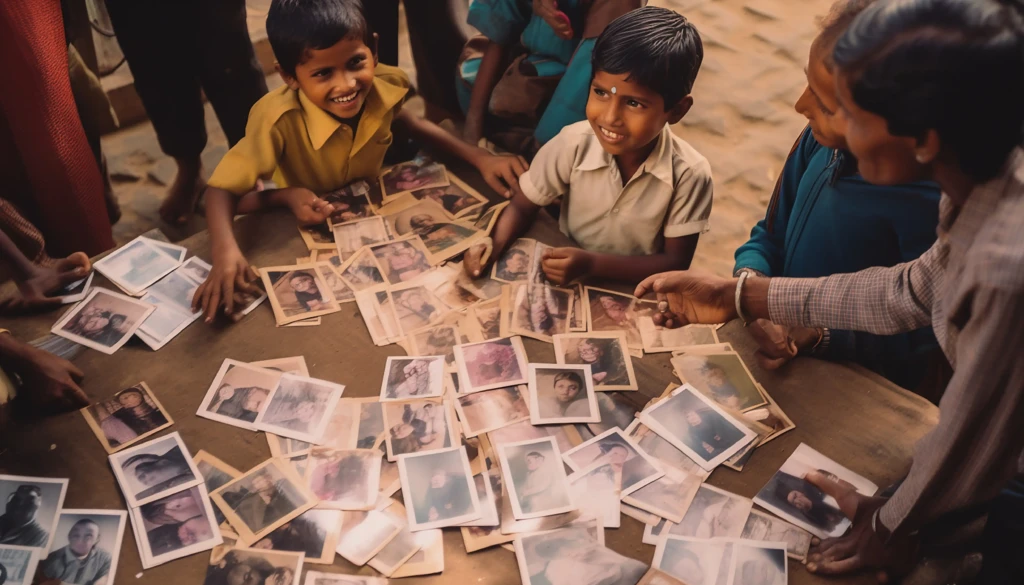
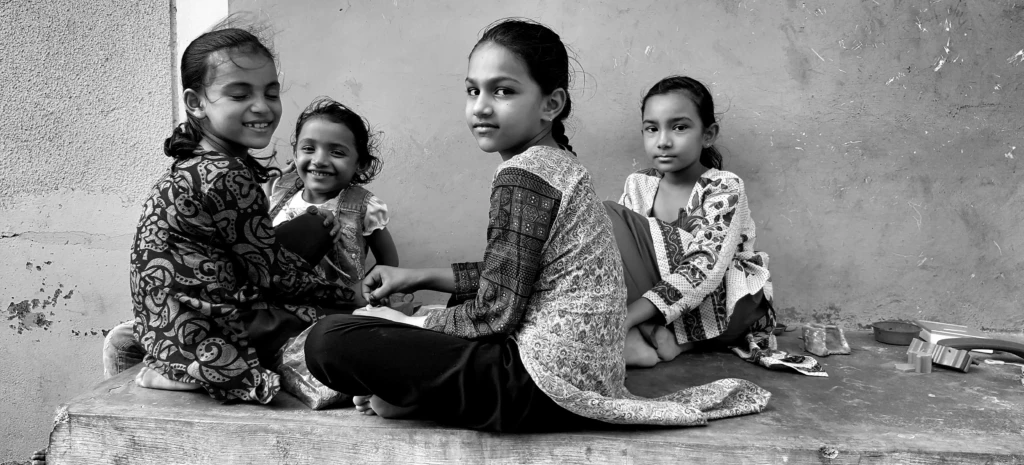
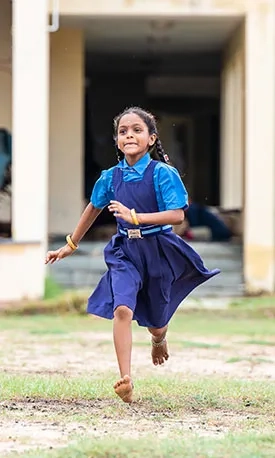
Imagine a girl holding her very first school bag and wearing a school uniform, smiling like the world just opened up for her. This one picture of the girl can make a donor want to help more than any other way of telling people about the need for donations. No fancy caption. This time, just one real and honest moment makes a stranger care.
Yet, most NGOs are still leading with text-heavy updates, generic visuals, and communication that informs but never moves. This blog is for organizations doing real work on the ground, but not getting the donor response that work deserves.
By the end of this blog, you’ll understand why visual storytelling for nonprofits is the most powerful fundraising strategy. Also, how to incorporate visuals into your campaigns, and the requirement for an effective story that motivates donors to part with their money.
The Science Behind Why Visuals Win Donors
Before we talk about strategy, let’s talk about how decisions truly get made.
The human brain processes visuals much quicker, roughly 60,000 times faster than text, almost instantly in comparison. It is biology. And for NGOs trying to cut through a crowded digital space, this difference is everything. The numbers back this up: 84% of donors say they are very likely to donate to a nonprofit after watching a video about their work.
Donors do not give because they understand your mission. They give because they feel connected to it. Numbers on a page inform. But a story? It is told through a photograph or a short film and moves people to act.
This is the real foundation of impact storytelling for NGOs. Not manipulation or manufactured emotion. Only an honest, well-told story that lets people see the work you are doing and believe in it.
What Visual Storytelling Clearly Means for NGOs
Let’s call out what visual storytelling is not, because a lot of it is passing as the real thing. Anonymous stock imagery. Stiff group photographs. A child’s pain was used as a fundraising prop. None of that builds donor trust. It quietly erodes it.
Here is what authentic visual storytelling for nonprofits truly looks like:
- Documentary-style, field-based, and consent-led
- Built around the people your organisation really serves
- Dedicated to improving the process rather than capturing the perfect moment
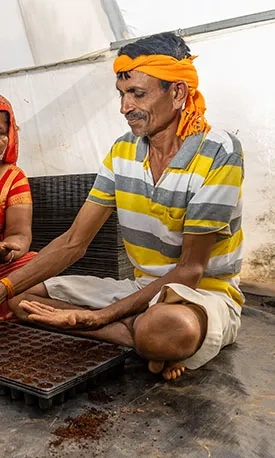
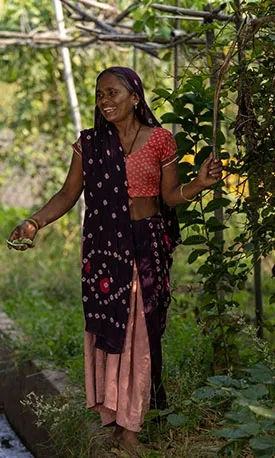
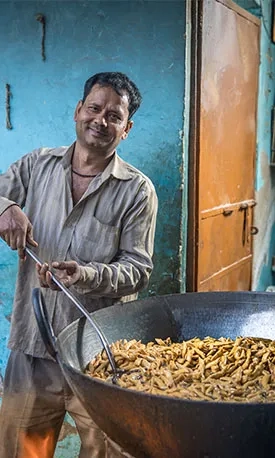
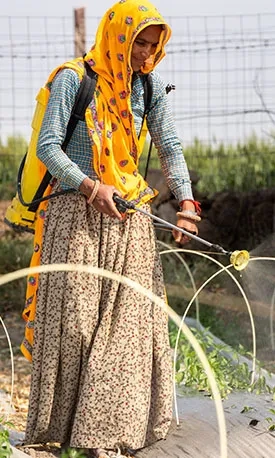
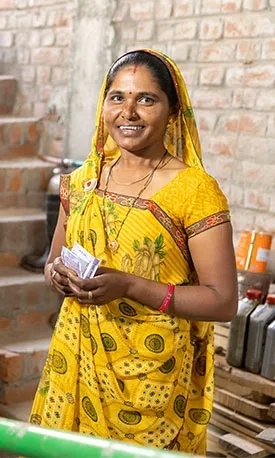
When a photo shows a community health worker doing her rounds at 6 AM, or a film captures a family receiving livelihood support for the first time, that is when donors lean in, trust builds, and donations follow.
This is exactly the philosophy behind the humanitarian photography services offered by Expressive Life. Their work is built around understanding the program first and picking up the camera second. Because a visual without context is only chaos, and your donors deserve better than that.
Photos That Do the Fundraising Work
Words explain. Photographs make people feel. And in fundraising, feeling is what drives action. Here is how to ensure your photos are doing their fair share of the work.
Beneficiary Portraits, Done Right
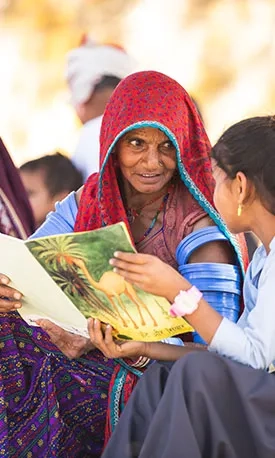
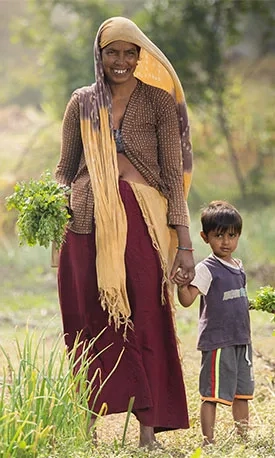
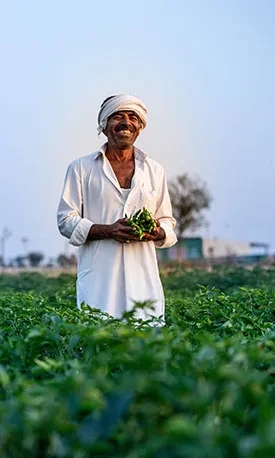
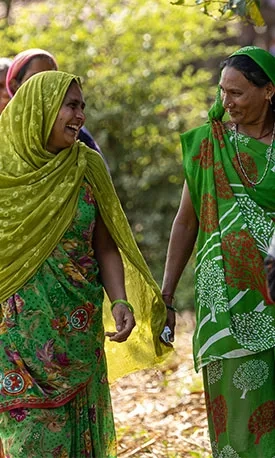
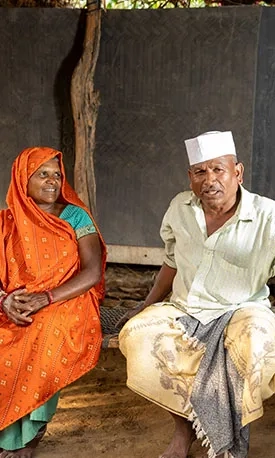
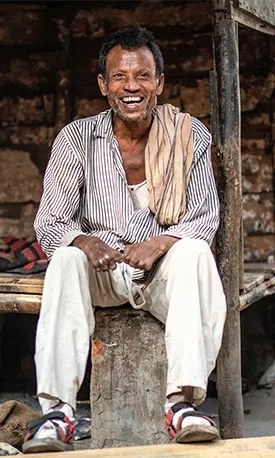
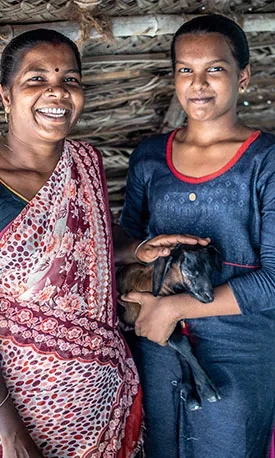
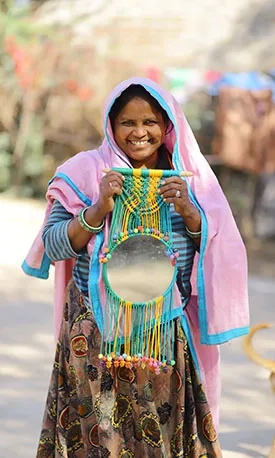
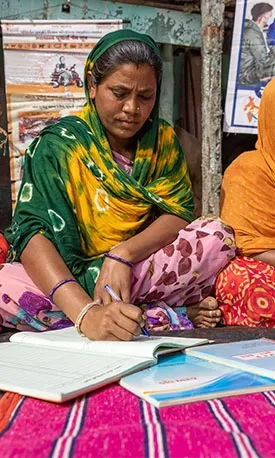
A portrait is powerful when it carries dignity. The subject should not look like a prop for your cause. They should look like a person with a story worth knowing. Building trust between the community and the photographer takes time, not just an afternoon. If they want to get this right.
Field Documentation Over Event Photography
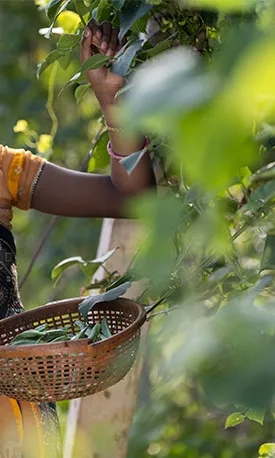
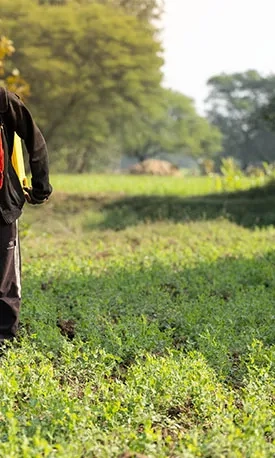
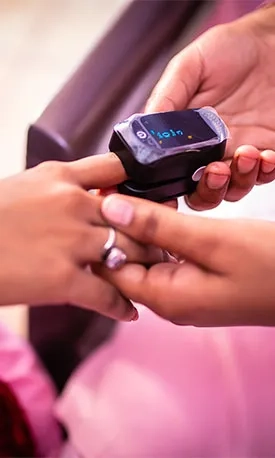
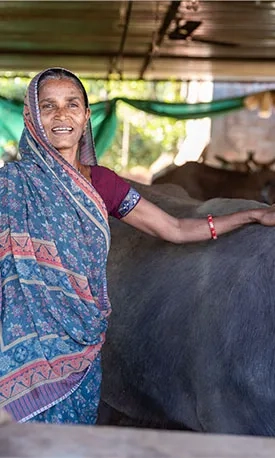
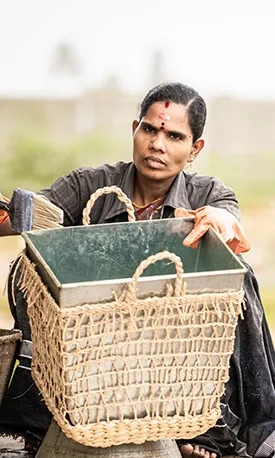
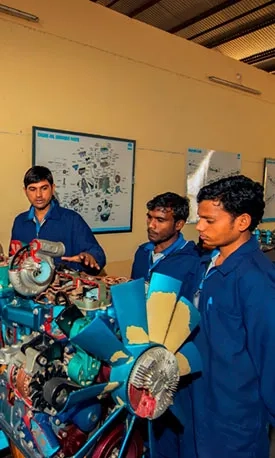
Skip the ribbon-cutting. Show the work. A photo of a trainer conducting a session in a remote village tells a donor far more about your program than any format launch event. It signals that the work is real and that it happens whether or not a camera is watching.
Build a Photo Bank, Not a Photo Album
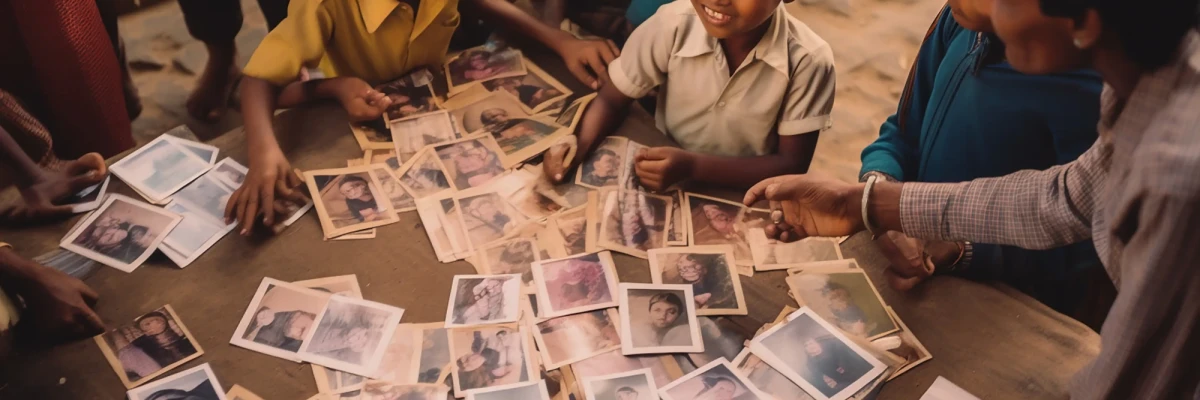
The most strategic non-governmental organizations (NGOs) use photography through ongoing projects instead of using it for single projects. A well-built photo bank fuels your annual reports, donor decks, grant applications, and social media feeds for years. Planning visual content in this manner ensures consistent communication, which in turn fosters credibility.
How Films Move Donors From Interest to Action
If photographs serve as an introduction, films guide donors through the process. A short documentary-style film can compress months of fieldwork into three minutes of footage that a donor watches on their phone at 9 PM and remembers the next morning. That is what a well-told story does to a person who was simply scrolling.
So what genuinely works when it comes to how videos help NGOs raise funds?
- Impact films: A 2 to 3-minute documentary following one person’s story. Where they started, what changed, and why it matters. Short enough to hold attention. Real enough to stay with a donor long after they’ve watched it.
- Testimonial reels: A beneficiary or community member, on camera, saying what they truly feel. No script was handed to them. No retakes until it sounds polished. Just a person talking, and a donor on the other end realizing this is not a campaign. This is someone’s life.
- Campaign videos: Made for one specific drive. One story, one ask, one reason to give now. Not vague. Not emotional for the sake of it. Just clear enough that a donor knows exactly what their support will do and why today matters more than next month.
Five Elements of a Fundraising Story That Genuinely Works
Whether it is a photo essay or a full documentary, every piece of visual content that converts donors shares these five qualities:
One real person, not a programme report
Start with a human being. Not a statistic. Not geography. A person with a name, a context, and a life that your work has touched. Donors connect with individuals, not interventions.
A before-and-after arc
Show what changed. Not in abstract terms, but visually. Where were they, and where are they now? This arc is the backbone of storytelling for fundraising campaigns.
Consent, context, and dignity
Ethical visual storytelling is non-negotiable. The communities you serve are not subjects. They are participants. Their story should be told with their full knowledge, their comfort, and their agency intact.
A clear ask tied to the story
After the story lands, tell the donor what they can do. Make the link between their action and the outcome specific. Not ‘donate to help communities’ but ‘your support helps a woman like Sunita access her first business loan. ‘
Distribution across the right channels
Content stored in a folder without proper distribution to users becomes useless. Plan where each visual will live: social media, your website, donor emails, annual reports, and grant submissions. The central storyline remains constant while each channel requires its specific visual presentation.
Where to Use Visual Content for Maximum Fundraising Impact
Digital storytelling for nonprofits works best when the content is placed intentionally where your donors are already paying attention. Here is where visual assets make the biggest difference in your fundraising ecosystem:
- Donor presentations and annual reports: A well-photographed annual report is not a retention tool. Donors who see real faces and real progress renew their support.
- Social media: On Instagram, LinkedIn, and YouTube, short reels, photo stories, and testimonial clips are some of the most effective content types for nonprofit fundraising strategies.
- Crowdfunding campaign pages: Compared to pages heavy on text, those with strong visual content convert at a much higher rate. A campaign video at the top of your page is not optional anymore.
- Grant applications: Funders and institutional donors respond to documented evidence. A portfolio of field photographs alongside your proposal adds credibility that words alone cannot.
Why Most NGOs Still Get This Wrong
The answer is simpler than most organizations want to admit.
Photography gets scheduled for launch day and forgotten afterward. A few uncomfortable, posed shots make it into the annual report, and those are considered enough. But donors are perceptive. They can feel when an image was staged for them rather than captured for truth.
Visual consistency is another gap that compounds quietly. When every piece of communication looks different, donors do not build a relationship with your brand. They just move on.
And the root of all of it is this: finding a partner who genuinely understands both the development sector and visual storytelling is genuinely hard. Most NGOs have never experienced what that combination simply unlocks.
The Story Is Already There. The Question Is Whether It Gets Told.
Every NGO doing meaningful work already has the raw material. The children are being reached. The women are gaining independence. The communities are rebuilding. These are not small stories. They just need the right team to tell them.
That is what Expressive Life does. Their humanitarian photography services in India are built for NGOs and CSR teams who need visuals that go beyond looking good. Documentary films, beneficiary portraits, photo banks, and annual reports. Real field experience. Real storytelling craft.
Your donors should be seeing what your ground team sees every single day. Let Expressive Life make that happen.