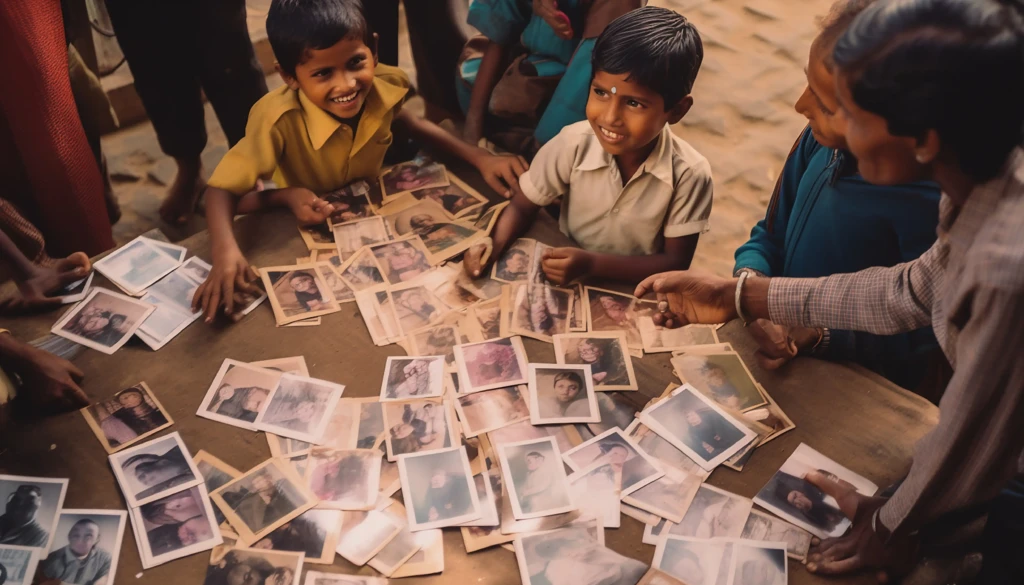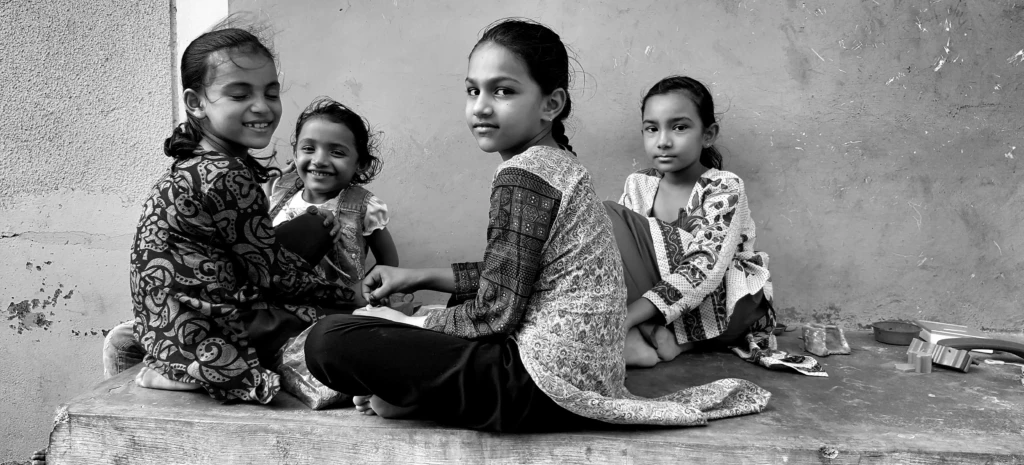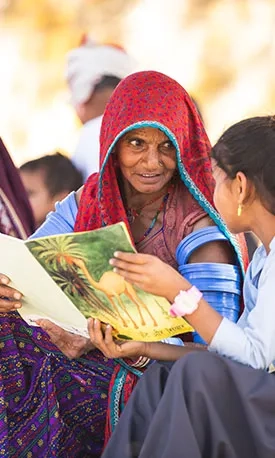
Have you ever spent months creating coffee table books for your donors, only to discover essential steps were missing by the halfway point?
NGOs begin their coffee table book projects without creating a proper implementation strategy. The excitement of showcasing impact through beautiful visuals is strong. But the best coffee table books for NGOs aren’t born from spontaneous creativity. They’re the result of meticulous pre-planning before the design process.
So, what is a coffee table book for nonprofits?
It’s your legacy in print. A nonprofit impact storybook that transforms abstract mission statements into tangible proof of change. It makes donors pause, flip through pages, and think, “This is where my contributions go.”
But most NGOs stumble by jumping straight to designer coffee table book agencies without answering basic questions: What’s our budget? Who’s our audience? Do we have the right content ready?
This guide is your pre-flight checklist. The essential groundwork that separates amateur attempts from professional coffee table books. Step by step.
What Is a Coffee Table Book for Nonprofits?
Before we move on to planning, let’s address the meaning of the NGO/ Nonprofits coffee table book.
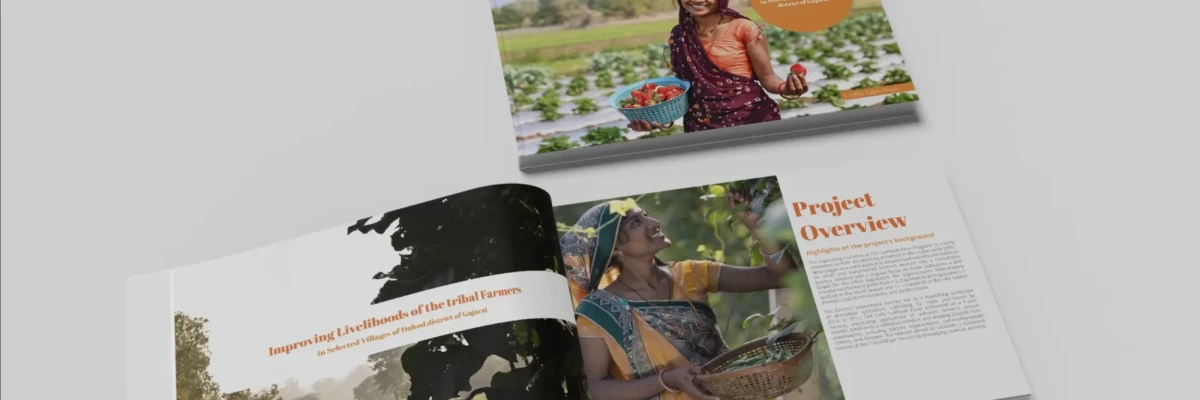
A coffee table book is traditionally a large book with a hardback cover. It is a visually rich book designed to sit in public spaces and invite browsing. The NGO coffee table book serves a deeper function beyond its primary role. The book exists for more than aesthetic purposes because it’s strategic.
Pre-Planning Essentials: Understanding Your Coffee Table Book First
Checklist Item #1: Define Your Coffee Table Book’s Core Purpose
Before contacting any designer, answer this: Why are you creating this book?
Is it a nonprofit impact story book documenting your journey? A fundraising tool for major donors? An annual report in premium coffee table format? An awareness campaign for your cause? Or an anniversary celebration?
Each purpose demands a different approach. Fundraising books need emotional beneficiary stories. Awareness campaigns require hard-hitting statistics.
You should consider who gains value from this book as your main assessment question. Also, what’s the one key takeaway readers should have from this coffee table book?
Checklist Item #2: Identify Your Target Audience in India
Now that your purpose is clear, the next question is equally important: Who exactly will read this book? Many NGOs say, “It is for everyone.”
But your book can’t speak to everyone. Picking a primary reader is foremost. Each audience changes your content strategy. Design your nonprofit impact story book for one primary audience. Secondary readers will follow, but diluting focus weakens impact. Don’t create a book for all.
The tip: Create a strategic asset that speaks directly to your chosen audience’s needs and motivations.
Checklist Item #3: Build the Narrative Arc
Once your purpose and audience are clear, the next step is critical. Many NGOs make a costly mistake. They start collecting content randomly. Some photos here and some data there. A few testimonials were added later.
The outcome?
The result creates a disorganized book that has no organized development throughout its pages. The nonprofit coffee table book creation process requires you to start as a storyteller before you begin your design work. Your book must have a narrative arc that serves a functional purpose. At its basic level, a narrative spine exists as the fundamental element of storytelling.
Content Compilation and Assets Collection
Checklist Item #4: Collect High-Quality Visual Assets
Visual quality defines the credibility of a coffee table book.
- Print production demands 300 DPI minimum resolution.
- Lower specifications result in pixelation and diminished professionalism.
- RAW format files preserve editing latitude for color correction and composition adjustments.
- JPEG compression restricts flexibility for post-production work.
The required asset categories include program implementation documentation, beneficiary consent-based storytelling, team and volunteer portraiture, milestone event coverage infrastructure, facility documentation, and partnership validation imagery.
The crux: Original photography always surpasses stock imagery in terms of authenticity.
Design Planning: Before You Meet the Designer
Checklist Item #5: Research Best Coffee Table Books for Inspiration
Study the best coffee table books across the nonprofit and corporate sectors to identify excellence benchmarks.
Analyze what distinguishes designer coffee table books:
- Narrative pacing through visual sequencing
- Strategic color psychology aligned with brand identity
- Typographic hierarchy that guides the reader’s attention and
- Intentional white space creates breathing room.
Compile reference materials systematically. Competitive analysis reveals market positioning opportunities. Understanding peer publications helps differentiate strategy development.
Checklist Item #6: Plan Your Book Structure
How to design a coffee table book requires architectural planning before creative execution.
Essential structural elements: impactful cover design, front matter (title page, copyright, contents), compelling opening spread establishing tone, logical chapter segmentation, visual rhythm alternating between full-bleed imagery and framed compositions, strategic infographic placement for data visualization, pull quotes amplifying key messages, back matter (acknowledgments, contact information, donation mechanisms).
The essential structural elements of the project include:
- An eye-catching cover design and the front matter components (title page, copyright, contents)
- The first opening spread establishes the main tone of the book and the book’s main chapters, which divide content into sections
- The visual design uses full-bleed images and framed compositions to create a visual flow
- The specific locations of infographics, which show data
- The pull quotes amplifying key messages
- The back matter (includes acknowledgments, contact details, and donation methods)
Furthermore, the pagination strategy guides the reader’s journey from the introduction through the conclusion. Structure determines whether readers engage superficially or explore comprehensively. Plan deliberately.
Vendor Selection & Collaboration Partner
Checklist Item #7: Choose Your Designer Coffee Table Books Specialist
Portfolio evaluation determines partnership viability. Assess demonstrated expertise in publication design, nonprofit sector experience, print production knowledge, and cultural storytelling competency.
Critical evaluation criteria:
- Previous coffee table book projects
- Revision policy transparency
- Print-readiness guarantees
- Printer coordination capabilities
- Timeline adherence history and
- Communication responsiveness
Checklist Item #8: Select Your Printing Partner
Print production methodology impacts quality and economics.
Physical sample evaluation needs to occur for quality assessment. It includes verifying color accuracy, testing binding durability, assessing paper stock tactile properties, and reviewing finishing execution. Moreover, the project requires a few sustainability considerations: FSC-certified paper, vegetable-based inks, and waste reduction protocols.
The process of selecting a printing partner requires detailed price estimates from the top coffee table book designer. The designer estimates the project through their work specifications and expected timeline, and quality assurance standards.
Legal, Compliance & Ethical Considerations
Checklist Item #9: Ensure Proper Legal Documentation
Legal compliance protects organizational credibility and beneficiary dignity. Start with ISBN registration if you’re distributing beyond your immediate network. ISBN registration becomes mandatory for commercial distribution or institutional archiving. Your copyright page needs publication year, publisher details, and rights information.
Here’s where it gets serious: beneficiary consent. Every person featured needs a signed photo release form. Privacy protection for vulnerable populations is mandatory. Population like minors, abuse survivors, and marginalized communities demands heightened sensitivity and anonymization when necessary.
If you’re FCRA-registered, disclose foreign funding properly. Some states have specific regulations, too. Last but not least, don’t forget trademark permissions for partner logos. Your coffee table book needs clean legal foundations.
Checklist Item #10: Plan Distribution & Impact Strategy
The tenth checklist item requires the development of a plan for distribution and impact assessment through their distribution systems. Strategic distribution maximizes returns on coffee table book investments. The strategic distribution system handles physical distribution to major donors, board members, and corporate social responsibility teams. But don’t stop there.
Go digital too. Create PDF versions for email outreach.
You should develop an interactive flipbook for your website. Create powerful excerpts for Instagram and LinkedIn. In addition, add QR codes, which will direct users to your donation page.
Track and monitor all aspects of your project. It includes sending copies, receiving feedback, calculating fundraising results, and measuring public interaction with your project.
The Conclusion
Organizations that skip pre-design planning face predictable consequences. This checklist exists because excellence requires methodology. Your nonprofit impact story book deserves strategic planning. But investment without preparation wastes resources and organizational credibility.
Expressive Life specializes in coffee table book India projects. We ensure nonprofits avoid common pitfalls with our strategic planning beforehand. Contact Expressive Life for an annual report design strategic consultation.