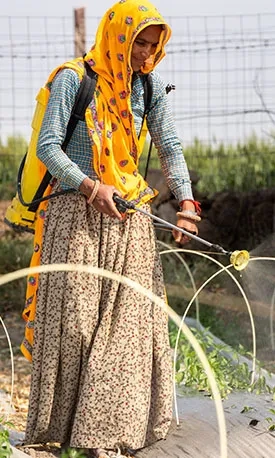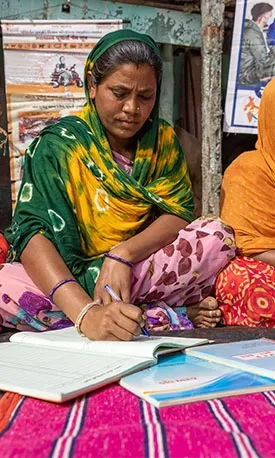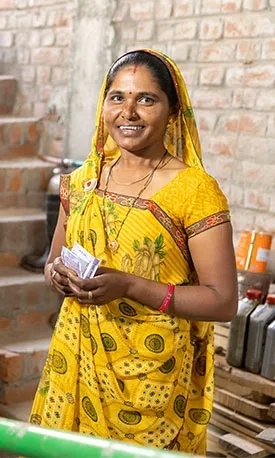

Every year, NGOs and CSR teams across India invest in development sector films. And every year, many of those films quietly fail. But why?
Wasn’t the work real? Or wasn’t the story worth telling? NO, these are never the reasons. The real culprit is that something got lost between the brief and the final cut.
Because of which the communities looked rehearsed. The voiceover felt like a brochure read aloud. The emotion that years of field work had built never made it to the screen. This is exactly why knowing what can go wrong before you begin is more important than the production budget itself.
If you’re investing in the development sector film services in India for impact documentation, donor communication, or CSR reporting, here are the six mistakes that cost you the most and how to avoid every single one of them.
Mistake #1: Treating Development Sector Films Like Corporate Video Production
This is the most common and even most costly mistake organizations make. They approach development sector film companies in India the same way a brand approaches a product launch video. They look for the best reel, the flashiest portfolio, and the studio with the most Instagram-worthy work. But this approach misses the point entirely.
These are two different crafts and have two different goals. A commercial filmmaker is trained to make things look aspirational. Whereas a development sector filmmaker is trained to make things look true. These two instincts are rarely the same.
Development sector film services optimize for authenticity. And authenticity in this context means something very specific:
- Entering a community without disrupting it
- Earning enough trust that a person forgets the camera is there
- Sitting with someone for two hours before asking a single question on record
This is what actual fieldwork is called.
The Cost of Getting This Wrong
When you hire a commercial production house for a social impact video production in India, you often end up with something that looks polished but feels empty. It may impress your internal team. But not the funders, partners, and donors who know what genuine development work looks like, and those are precisely the people you are trying to reach.
“The right development sector filmmaking company in India doesn’t just know how to shoot. It knows how to listen.”
Mistake #2: Going to a Filmmaker Without a Story Brief
There is a saying in the development sector filmmaking: “A VAGUE brief produces a vague FILM.
Walk into any production meeting with “We need a film about our programme,” and that is exactly what you will get. A film about your programme. Not a film that moves someone, not a film that changes a funder’s mind. Just footage, stitched together, going nowhere.
What is a Story Brief? And Why Does It Come Before Everything?
A story brief is a short foundational document that answers four questions before a single camera is unpacked:
- What transformation are we trying to show?
- Who is this film speaking to, and what do we want them to feel or do?
- What is the one story that can carry the weight of our entire programme?
- Where and how will this film live after it is made?
Without a story brief, even the most skilled development sector filmmaking company in India is working in the dark. And then the result is predictable:
- A film that tries to say everything and ends up saying nothing
- Footage that documents your work instead of revealing its impact
- Content that informs the viewer but never moves them
One Clear Signal to Watch For
The best film partners will insist on a deep pre-production dialogue before discussing shoot dates. They will ask hard questions about your narrative intention, your audience, and your distribution plan.
If a filmmaker skips this conversation and jumps straight to logistics, that is your RED FLAG.
Mistake #3: Ignoring Consent, Ethics, and Community Dignity
If you are ignoring all these core things, then you’re making a BIG mistake. In development work, neglecting these means VIOLATION. And it happens more often than the sector likes to admit.
The Line That Gets Crossed
In the rush to create compelling nonprofit video production content, many organizations and filmmakers cross a line they often do not even see. They stop treating communities as protagonists in their own stories and start treating them as subjects to be photographed.
It shows up in ways that feel small in the moment:
- The camera lingers too long on a child’s torn clothes
- A woman is asked to re-enact a moment of distress so the shot looks more dramatic
- A village elder is filmed without anyone explaining where the footage will go or who will see it
None of these feels like violations on a busy shoot day. But they are
What Genuine Informed Consent Looks Like
Informed consent in development sector filmmaking is an ongoing conversation. It means:
- Explaining the purpose of the film in a language the subject understands
- Making it clear that they can refuse to participate or withdraw at any point
- Ensuring they feel genuinely comfortable in front of the camera
Questions to Ask Before You Sign Any Contract
When evaluating a nonprofit video production partner in India, ask these directly:
- How do you approach informed consent in the field?
- What does your ethical filming protocol look like?
- What happens when a community member becomes uncomfortable mid-shoot?
If the answers are vague, move on. A filmmaker who cannot articulate their ethics in two minutes has not thought about them deeply enough.
Mistake #4: Choosing a Film Partner Based on Price Alone
NGOs are perpetually stretched. Their budgets are tight. Justifying a film’s budget can feel like a hard conversation with a finance team or a funder. So the cheapest quote wins. And the story loses.
The Cost of a Low-Budget Film
NGO video production services in India are not interchangeable. The cost of a poorly made film is never just the invoice. It shows up elsewhere:
- A donor who watched the film and did not connect
- A community that felt used, not represented
- A grant application that went nowhere because the impact did not come through
- Footage that feels stale after one screening and cannot be repurposed
The invoice gets paid once. The consequences last much longer.
What Budget-First Decisions Actually Buy You
When price is the only filter, here is what typically comes with it:
- A crew with no field experience treats a village visit like a commercial shoot
- No pre-production research into your programme or your communities
- A film built around what looks good on camera, not what is true
What to Evaluate Instead
You do not need to spend extravagantly. But cost should be one factor among several. Before signing anything, ask:
- What experience do you have in our thematic area?
- Can we speak to two or three previous clients?
- How do you approach community engagement before and during the shoot?
- What does your pre-production process look like?
The quality of those conversations will tell you more than any price sheet ever will.
Mistake #5: Making One Film for One Occasion
An organization invests in a film. The shoot happens. The edit comes through. It screens at the annual gala in a warm room. And then the file sits in a folder. This is one of the quietest and most common wastes in social impact video production in India.
Why This Matters More Than You Think
A development sector film is expensive to produce. Not just in budget, but in time. This includes your team’s time. Your film partner’s time. And most importantly, the time and trust of the communities that agreed to be part of it.
To let that investment live and die in a single screening is both a strategic failure and a human one.
One Shoot & Many Possible Outputs
A well-planned development sector film does not have to serve just one purpose. Here is what a single shoot, planned thoughtfully, can produce:
- A long-form documentary for funders and impact reports
- Short clips cut for social media and digital campaigns
- Interview footage repurposed as donor testimonials
- Field visuals for annual reports and funding proposals
- B-roll that supports advocacy decks and partner presentations
What to Ask Before Production Begins
This conversation needs to happen before the shoot. Ask your film partner:
- How can we plan this shoot to maximize repurposability?
- What additional footage should we capture that may not make the main film but will be useful elsewhere?
- How have you helped previous clients extend the life of their content?
A great development sector filmmaking company in India will already be thinking about this before shoot dates are even discussed. If they are not, raise it yourself.
Mistake #6: Not Evaluating the Filmmaker’s Contextual Understanding
There is a difference between a filmmaker who can document a development programme and one who truly understands it. That difference shows up in every frame.
What Contextual Intelligence Truly Means
Development Sector Films in India are not just technically demanding. They are contextually demanding. The best development sector filmmakers understand things that no camera manual can teach:
- How caste shapes a community’s relationship with outsiders
- Why a woman in a rural household might hesitate before speaking on camera, and how to make that space genuinely safe
- The difference between a community that is welcoming a crew and one that is merely tolerating them
- How to read a room, a village, a silence
This is contextual intelligence. It comes from years of working alongside communities, from field experience, and from genuine curiosity about social change in India.
A filmmaker without this understanding will still produce a film. It will have good shots, clean audio, and a decent edit. But it will feel like an outsider looking in. And the people who matter most (your communities, your funders, and your partners) will feel that distance immediately.
How to Probe for It Before You Sign Anything
Ask these questions in your first conversation with any potential film partner:
- What has your team’s direct exposure to the development sector been?
- Have you worked in our geography or with communities like ours?
- What do you know about the issue area our programme addresses?
- Can you share a specific moment from a past shoot where contextual understanding changed how you approached something?
The right answer will not be perfect. But it will be honest, specific, and grounded. Vague answers about “passion for social change” are not enough.
That groundedness earned through field experience, not claimed through a portfolio, is what separates a film that resonates from one that simply records.
A Final Thought
Development sector films are not marketing assets. They are acts of trust. Trust from communities who open their homes and their stories. Trust from funders who expect the truth. When honored well, a film travels to boardrooms, policy tables, and donor desks, carrying your work into rooms you may never enter yourself.
Every mistake in this list breaks that trust. Every good decision protects it. Expressive Life, the best development sector filmmaking company in India, was built for exactly this. Founded by TISS alumni and development practitioners, it was born inside the development sector and has never left it. Co-founders Rashmi and Ravi bring field experience, ethical rigor, and genuine community understanding to every frame.
Working with Expressive Life means partnering with people who listen before they film. Because your story deserves to be seen. And felt. Contact Expressive Life today.