Your CSR impact report has the numbers. And BRSR storytelling? It has the structure. But if a first-time stakeholder opened your report today with no prior context, would they feel the weight of the work behind every disclosure?
If the answer is not an immediate yes, there is definitely a gap. And it is in the absence of visuals that make your impact believable before the reader reaches page two. The best part is, a solution already exists: “Humanitarian Photography.” It closes that gap by putting a human face to every data point, a true moment to every disclosure, and a story to every statistic that would otherwise go unnoticed.
In this blog, you will understand exactly how it supports CSR impact reports and BRSR storytelling. Where it maps inside the compliance framework, and what separates photography that builds trust from photography that just fills space.
What BRSR Truly Demands and What Most Companies Miss
India’s BRSR framework, mandated by SEBI from FY 2022-23, requires the top 1,000 listed companies to disclose over 140 structured ESG data points. This is a major shift from the earlier BRR format, which relied largely on broad, narrative disclosures.
What the new framework now covers:
- Scope 1 and Scope 2 emissions
- Water usage and energy intensity
- Gender diversity and employee welfare
- CSR spend and community beneficiary data
- Value chain ESG disclosures (phasing in from FY 2025-26)
With BRSR Core expanding mandatory third-party assurance to the top 500 companies from FY 2025-26, the compliance bar keeps rising. However, compliance and credibility are not the same concepts.
Most organizations file accurate BRSR reports. The numbers are correct. The format meets the requirements. But when those disclosures reach board members, institutional investors, or grant bodies, they still land flat. Why? Because data, however rigorous, cannot do what a well-framed field image can. It cannot make the impact feel authentic.
Visual storytelling in CSR reports is what turns a compliance filing into a credibility document.
Why Numbers Alone Don’t Build Trust
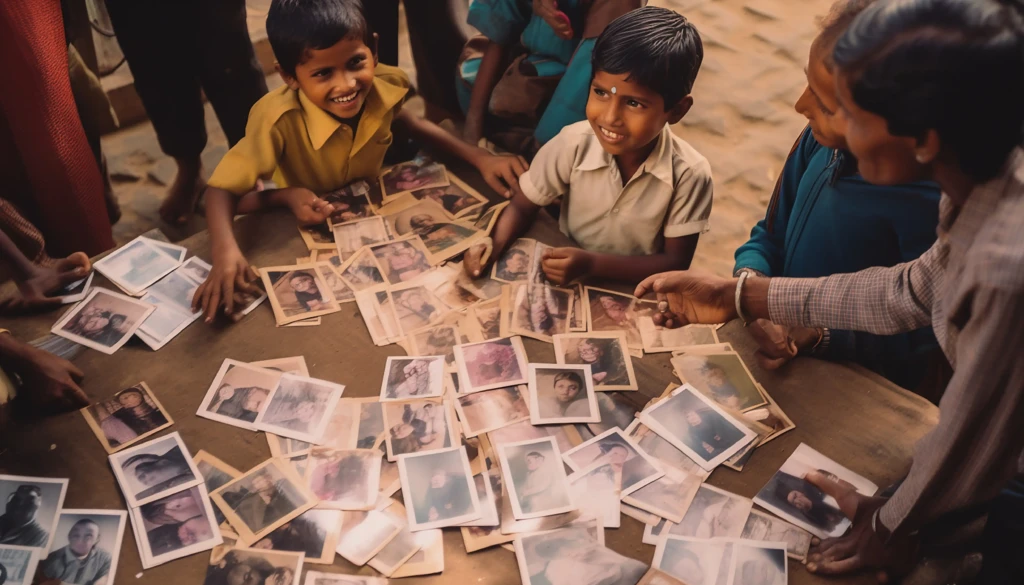
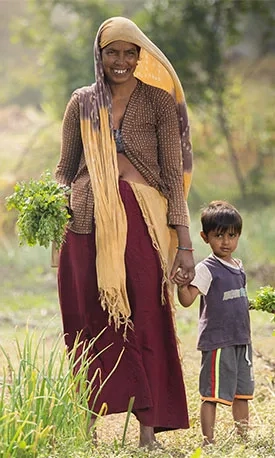
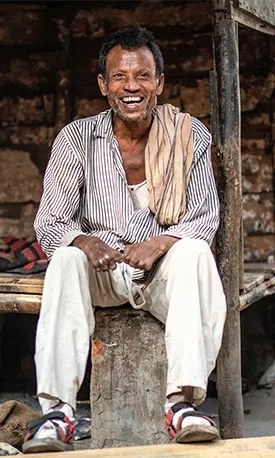
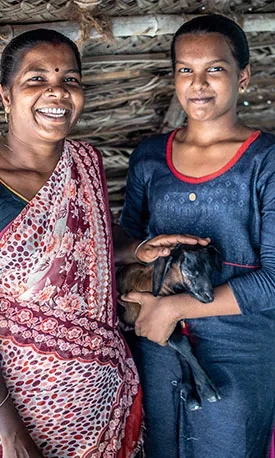
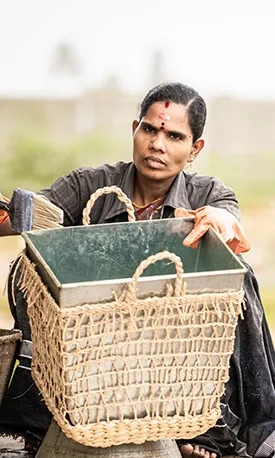
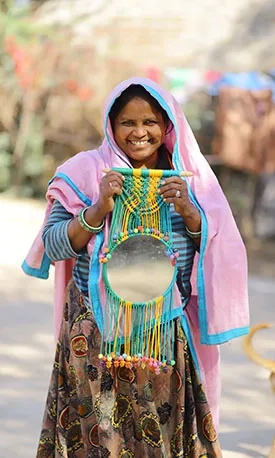
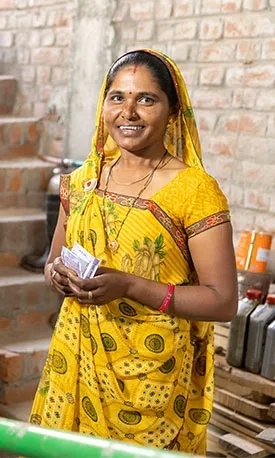
A CSR report that says “we impacted 12,000 beneficiaries across 6 districts” is verifiable. But not a memorable one. In contrast, a humanitarian photograph of a first-generation woman entrepreneur standing in front of the microenterprise that your program helped her build. And this is what stays with people.
Institutional investors, ESG rating agencies, donor boards, and corporate stakeholders all respond to what they can see and feel, not just what they can verify. Emotional resonance is what moves decisions, not data density.
For NGOs and CSR teams working across rural India, humanitarian photography is also a trust signal. Staged group photographs in front of banners or check-handshake shots signal that the organization never had genuine field access. And that perception, once formed, is hard to undo.
This is where professional NGO photography services, specifically documentary-style humanitarian photography for CSR, make a measurable difference to how your work is actually received.
What “Real” Humanitarian Photography for CSR Actually Looks Like
Here’s a distinction that matters: Event photography and humanitarian photography look similar on the surface. But they’re worlds apart in practice.
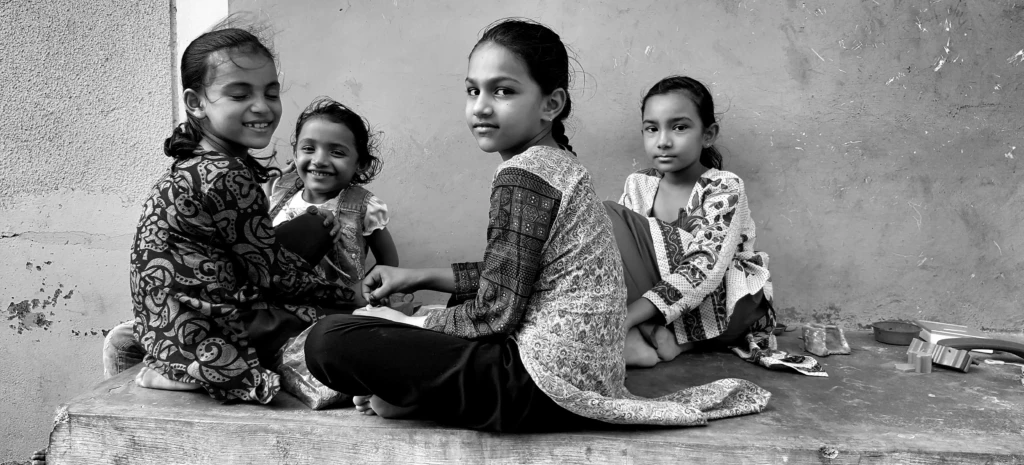
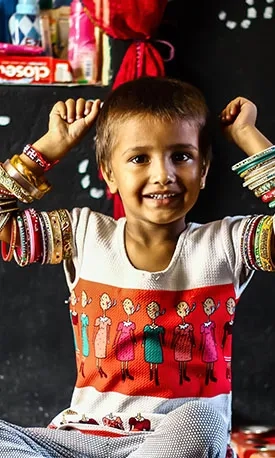
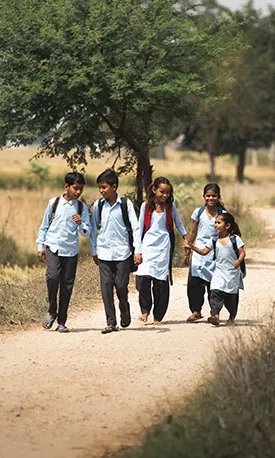
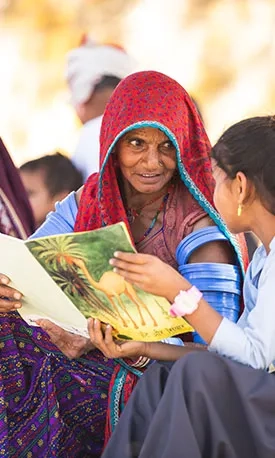
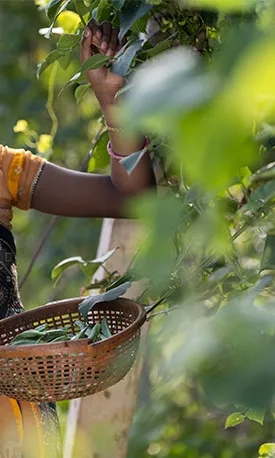
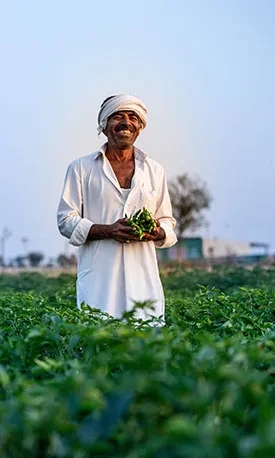
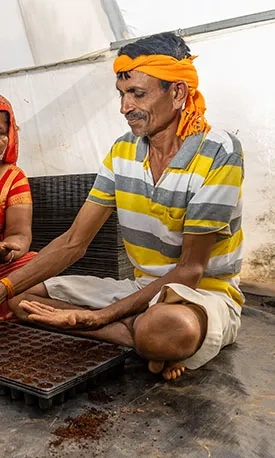
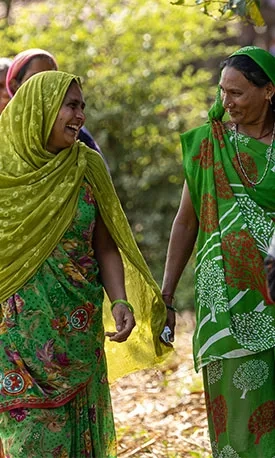
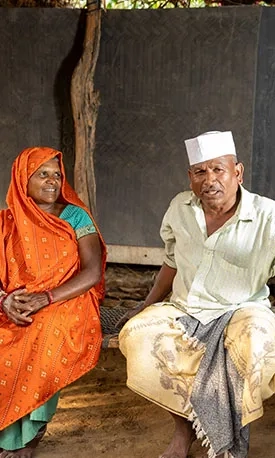
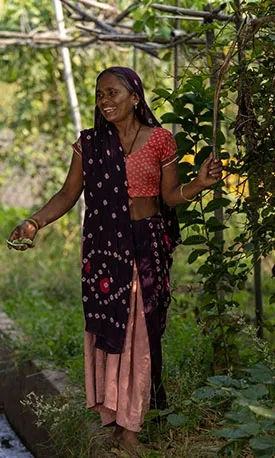
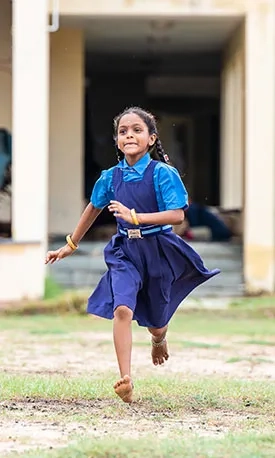
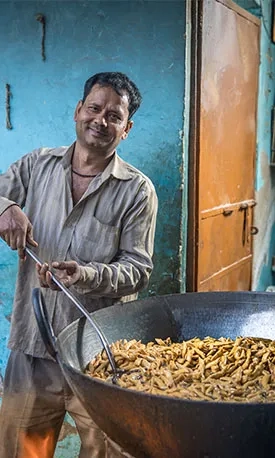
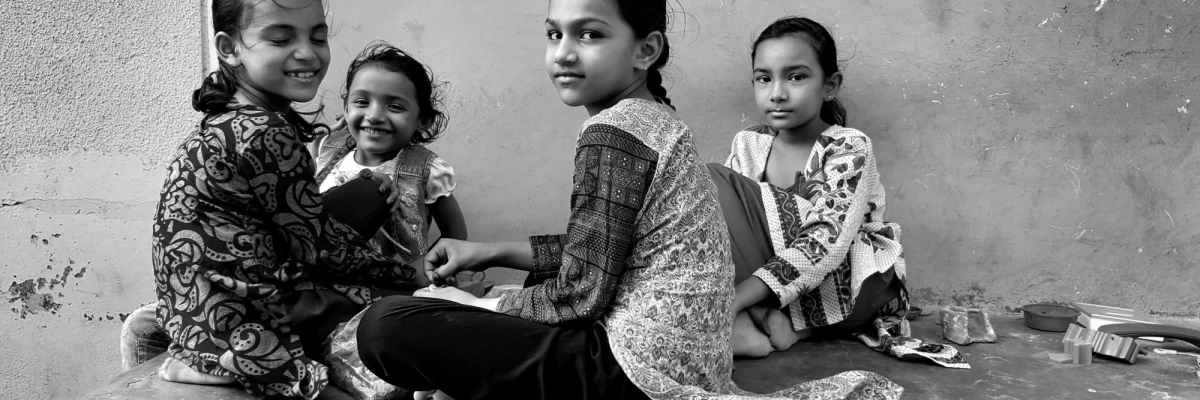
Event photography covers what happened. And humanitarian photography? It captures what it meant, including the texture of a program, the dignity of a beneficiary, and the quiet details that tell the full story.
Real humanitarian photography for CSR documentation is built on four things:
- Field immersion before the camera rolls, so the photographer understands the programme, the community, and the context
- A consent-led, dignity-first approach where subjects are collaborators, not props
- Documentary-style visual language that is honest, unposed, and emotionally grounded
- Multi-format delivery so the same images work across print annual reports, BRSR decks, donor communications, and digital campaigns
This is what separates impact documentation that builds long-term stakeholder trust from photography that simply fills white space in a report. At Expressive Life, this philosophy of listening before shooting and understanding before framing sits at the core of every field assignment.
5 Ways Humanitarian Photography Strengthens Your CSR and BRSR Reporting
1. Turns Data Into Visual Proof
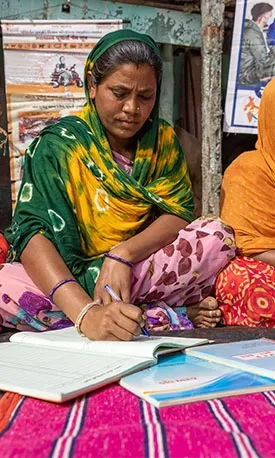
BRSR mandates disclosures, but it does not mandate belief. A photograph of a watershed restoration project or a women’s self-help group meeting, placed alongside your Principle 8 (inclusive growth) disclosures. It transforms a statistic into verifiable and visible evidence. It does not contradict compliance. It completes it.
2. Signals Authenticity to Stakeholders Who Are Looking for It
ESG rating agencies, SEBI auditors, and internal funders have all developed sharper instincts for greenwashing. Authentic NGO visual documentation, shot in real field conditions with beneficiaries and communities, is something a polished corporate brochure cannot be. That the organization actually showed up.
3. Powers Multiple Communication Formats From One Shoot
A single well-planned humanitarian photography assignment can simultaneously provide content for your annual report, BRSR supplementary pages, LinkedIn campaigns, coffee table books, donor decks, and board presentations. That makes it one of the highest-ROI communication investments a CSR or NGO team can make.
4. Strengthens Donor and Investor Confidence
Corporate funders answer to their own boards. Grant agencies answer to trustees. Both groups need “show me,” not just “trust us.” Development sector photography that captures program milestones, community engagement, and measurable change gives them something they can actually present and defend internally.
5. Creates the Emotional Case for Continued Support
The driver behind CSR renewal, grant approvals, and donor retention is the NARRATIVE. Organizations that document their impact with consistent, ethical, field-grounded visual storytelling in CSR reports build a body of evidence that works across reporting cycles. The photographs from Year 1 become the baseline story of Year 3.
Where Visual Storytelling Fits Inside the BRSR Framework
BRSR reporting is structured across three core sections: General Disclosures, Management and Process Disclosures, and Principle-wise Performance Disclosures. Visual documentation does not live outside this structure. It actively supports several principles within it.
Here is where impact photography maps directly onto BRSR:
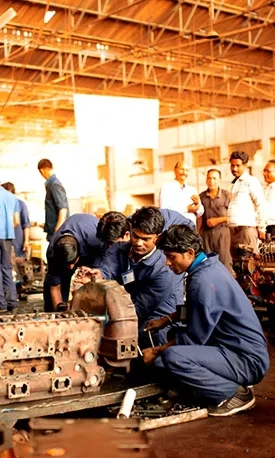
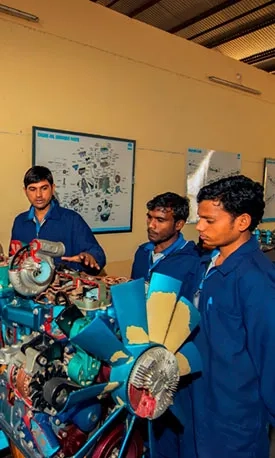
- Principle 3 (Employee Wellbeing): Field images from workplace safety programmes or skill-building initiatives
- Principle 4 (Stakeholder Engagement): Community dialogue sessions, gram sabhas, and beneficiary interactions documented authentically
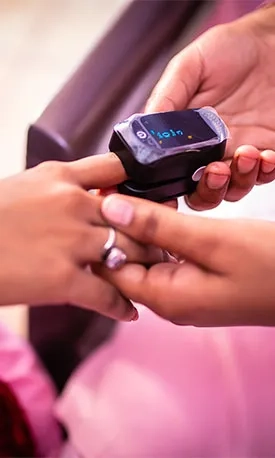
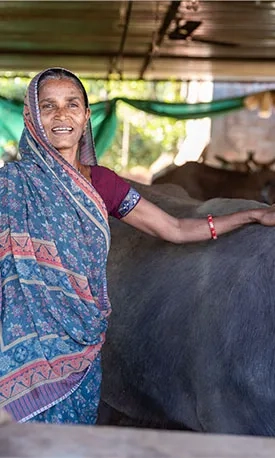
- Principle 8 (Inclusive Growth): Before and after documentation of rural livelihoods, education, and health programmes
- Principle 9 (Consumer Responsibility): Visual evidence of responsible outreach and last-mile programme delivery
Visual content that aligns with what your BRSR discloses creates consistency. And consistency across your compliance documents, your annual report, and your stakeholder communications is exactly what builds long-term institutional trust.
What to Look For in a Humanitarian Photography Partner for CSR Work
Not every photographer who works with NGOs understands development sector communication. And not every visual agency that calls itself a storyteller has been in the field long enough to know the difference between a program output and genuine community impact.
Before you finalize a humanitarian photography partner for your CSR work, ask:
- Do they understand your program and not just your brief? Field context shapes every frame.
- Is their process consent-based and community-sensitive? This is not optional. It is an ethical and legal practice.
- Can they deliver across formats, print-ready for annual reports and web-optimized for BRSR decks and campaigns?
- Do they bring social sector expertise or just commercial photography experience repurposed for CSR?
This is the gap between visual professionals who click and those who truly understand. And it is exactly the gap that Expressive Life was built to close. With a team trained at the Tata Institute of Social Sciences and over a decade of field experience with NGOs, CSR initiatives, and government development programs across India, the work begins long before a camera is raised.
Final Thoughts
CSR teams across India are working harder than ever. Reaching deeper into communities, documenting more carefully, filing more rigorous compliance reports. Yet most of that hard-earned impact stays invisible, buried in PDFs no one reads past page twelve.
BRSR reporting storytelling is evolving from a regulatory checkbox to a credibility-building instrument. The organizations leading that shift treat authentic, field-grounded humanitarian photography not as a line item but as a strategic investment.
This is the work Expressive Life does every single day. Every frame is built to carry the weight of your work and ensure the right people feel it. From rural skilling programs in Jharkhand to urban health initiatives in Delhi, our humanitarian photography services in India are designed for organizations that want their CSR impact to do more than comply. We want it to connect.
Stop letting your impact get buried in data. Work with Expressive Life to make it visible. Reach out to Expressive Life today.