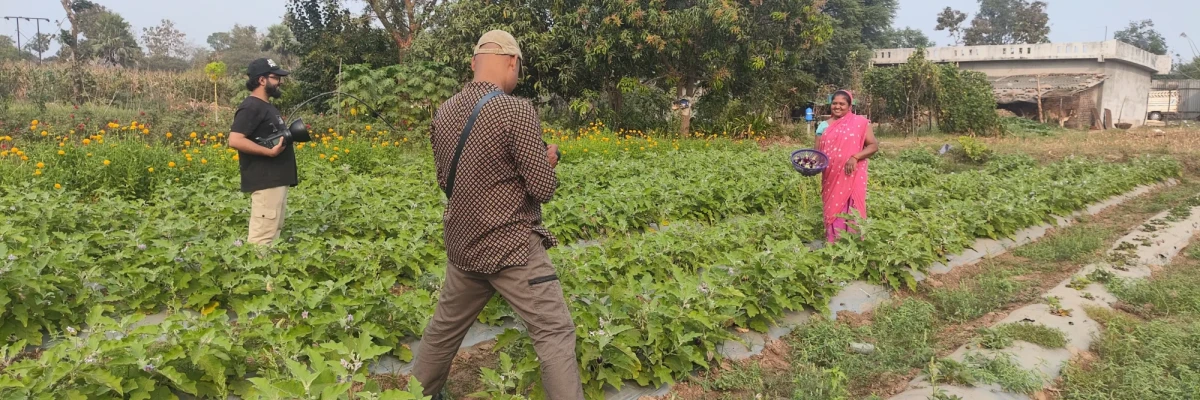
You’ve spent months in the field, captured raw emotions, and invested a significant budget into a film for your NGO. And then you go for “Publish”, start expecting a wave of donor engagement. But the analytics tell a whole distinct story. Even bigger bad news: “Most viewers dropped off in the first 10 seconds.”
Those few seconds are often where impact goes to die in the world of development-sector films. And this is what we call the “10-second grave”.
Expressive Life (a leading development sector filmmaking company for NGOs) has observed that the gap is not because there’s a lack of good work. The real culprits here are films that fail to immediately captivate audiences. The reason?
The lengthy logos or dry statistics. Reports need numbers, but a film has to move to the beat of human life. Hence, if your intro doesn’t spark an immediate emotional connection, even the most noble cause risks being scrolled past.
So, to truly bridge the gap between “making a video” and “creating impact”, we must go beyond presentation and embrace cinematic advocacy.
The Technical “Silent Killers” of Impact
Even the most powerful story can lose its essence if the technical execution is distracting. In the development sector, we often work in challenging environments. Including remote villages, noisy classrooms, or busy health camps.
The technical quality of your development sector film subtly conveys your organization’s dedication to donors and CSR partners. Technical excellence doesn’t mean “glamour,” as any filmmaker working in the professional development sector can tell you. Achieving clarity is the key.
Here are the Impact Killers:
- Distorted Audio: Background noise or poor recording drowns out the beneficiary’s voice. Results in breaking the emotional connection.
- Visual Distractions: Poor framing or inconsistent lighting shifts focus away from the genuine human story.
- Professional Trust: Reliability is built through consistent output. Your field operations are taken very seriously.
Therefore, technical precision should be treated as the vehicle for the message. So that, when production is effortless, the viewer forgets they are watching a screen and starts experiencing the story.
The Strategy Gap in Impact Films
Creating a film is only 50% of the job. The other half percent? Ensures it reaches the right eyes and elicits the desired response. But many projects fail. Just because they operate in a vacuum by ignoring the broader ecosystem of impact filmmaking.
The organization must address these common strategic gaps to move beyond awareness:
- The Distribution Void: A film is more than a “creative asset”. In reality, it’s a product that needs a marketing plan. All without a clear distribution strategy, even a masterpiece remains unseen.
- Targeting the “Converted”: Many development sector films focus on audiences who already support the cause. True impact happens when you reach the “undecided”. Those who need to be convinced or moved to act.
- The Passive Trap: Highlighting a problem without providing a clear, actionable pathway for the audience leads to exhaustion. Viewers shouldn’t just feel sorry. They should feel empowered to take a specific step.
- Stakeholder Dilution: Often, too many voices in the production process can dilute the original, powerful vision. This results in a film that tries to say everything but ends up saying nothing.
In short, success lies in shifting from “making a video” to launching a well-resourced campaign where the film is the spark.
The Hero Problem: Why Should Own the Spotlight?
One of the most frequent reasons development sector films fail to resonate is a misplaced focus. Often, the film ends up being a celebration of the organization’s logistics rather than the lives it changes.
When a film focuses too much on infrastructure or internal processes, it creates a distance between the donor and the cause. Moreover, to create a truly human-centric narrative, you need to shift the lens:
From “What we did” to “How they felt.”
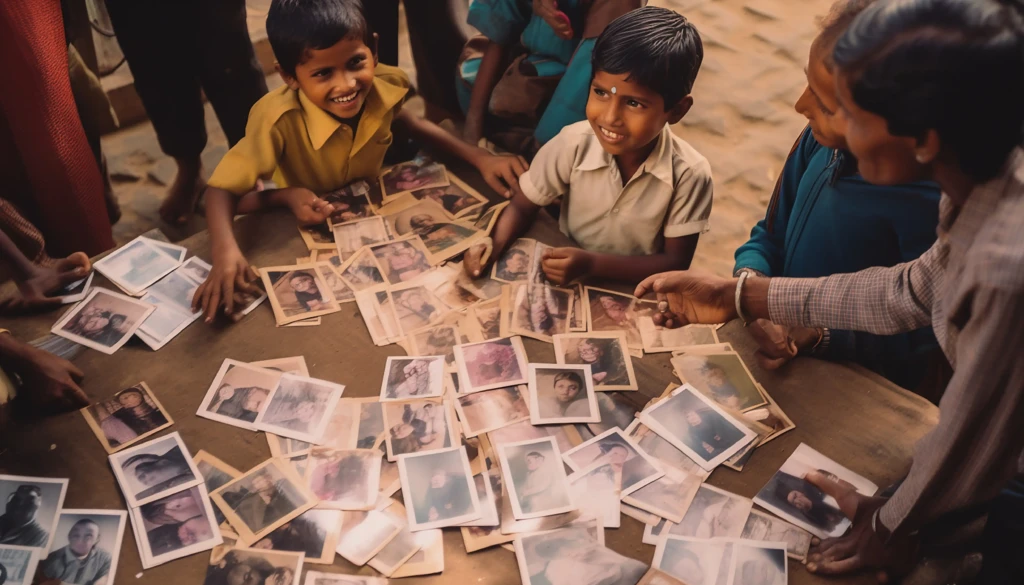
Data shows the scale. But EMOTIONS? They capture the significance of your work. Instead of just filming a new building, capture the pride in a student’s walk as they enter their classroom. Whereas showing the joy and relief in a beneficiary’s eyes creates a deep connection. Which will never be achieved alone by statistics.
From “Institutional Voice” to “Individual Voice”
A narrator sounds like an outsider. And a first-person testimonial? It feels like a shared lived experience. Allow the community to speak for themselves, using their words to describe their journey. All from struggle to success. This transition from “TELLING” to “LISTENING” respects the community’s dignity and builds authentic trust with your donors.
The Successful 70/30 Rule
You know what effective films follow? A specific balance. The human story must occupy 70% of the screen time while the intervention takes up 30%. The NGO/Non-profits become the main driving force of change because you choose to highlight the individuals’ life stories. The donor experiences the feeling that their contribution serves as the essential element that enables the hero to transform their world.
The “Call to Action” Problem
A standard visual loss results in a stunning emotional film that ends with a silent black screen. The truth is: You’ve successfully moved the viewer’s heart. But still, you haven’t told their hands what to do. Your current situation shows that this particular point represents your complete technological shortfall. A film that shows an important social matter, yet lacks clear solutions for viewers to follow through with their understanding. That makes viewers experience complete confusion. And this is what we call the “Call to Action” (CTA) Problem.
So, to ensure your film drives tangible results, your CTA must be:
- Specific: Instead of a generic “Support us”, use “Sponsor a child’s education” or “Sign the petition”.
- Urgent: Explain why action is needed now and what the immediate impact will be.
- Visible: Ensure the CTA should be the emotional climax of the film.
Effective development sector film services for non-profits/NGOs in India understand that a film is a mobilization tool. Whether the goal is donor retention, volunteer recruitment, or policy advocacy, the final ten seconds of your film are the most valuable. Don’t let that momentum go to waste. Because a film without a clear CTA is a story told in a void that makes sure yours leads to a movement.
Conclusion: Ending Note
So, what’s essential for making a development sector film with lasting impact?
Moving away from “documentation” and stepping toward strategic storytelling.
The best films are those that treat people with respect and break down difficult concepts. Even shows how one can feel and act in response to a situation. Expressive Life, a leading development sector filmmaking company in India, believes your mission deserves a masterpiece. By combining cinematic excellence with human-centric narratives, we ensure your stories transcend the “10-second grave” to build a lasting legacy. The world is waiting to see the change you are making. Let’s make sure they don’t just watch it. And let’s make them feel it.