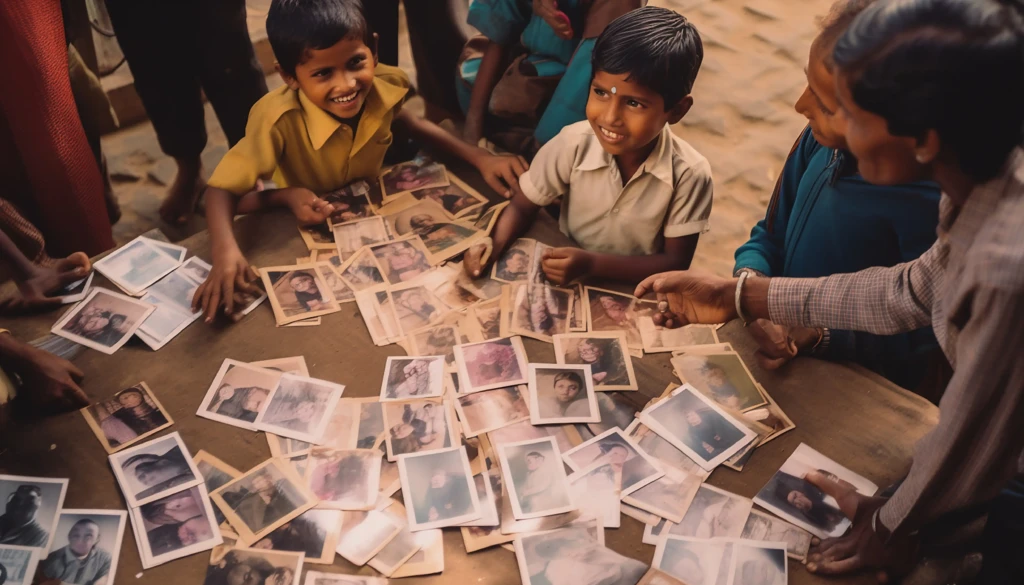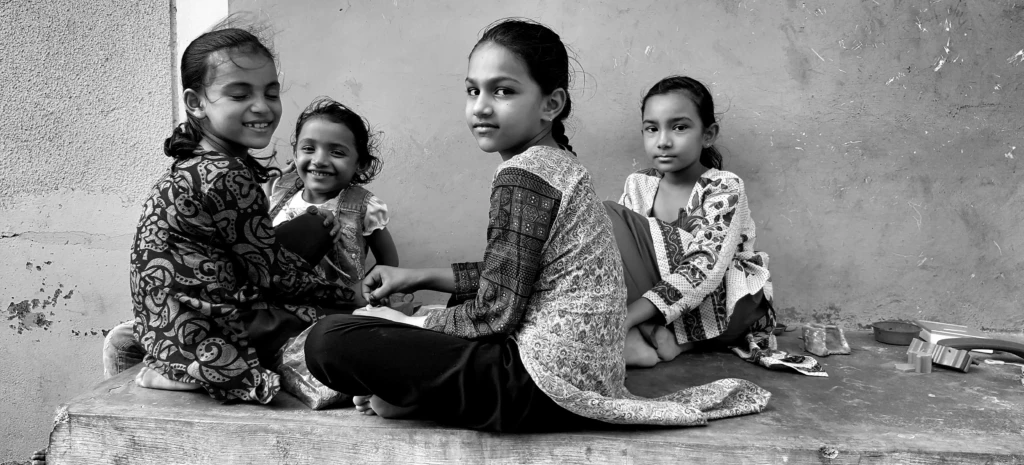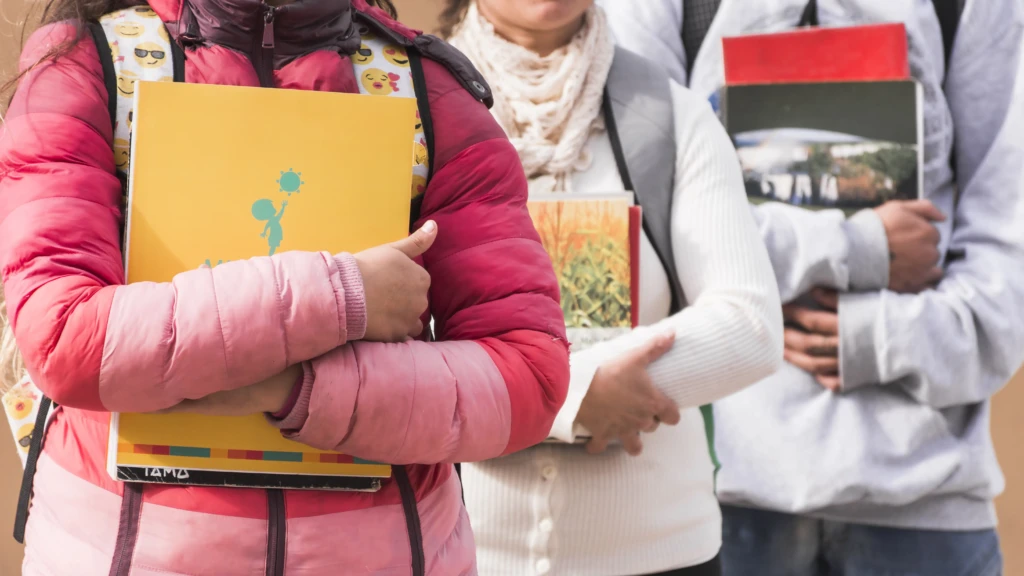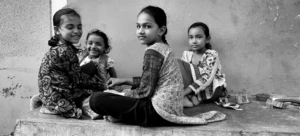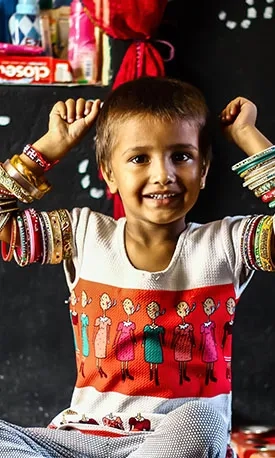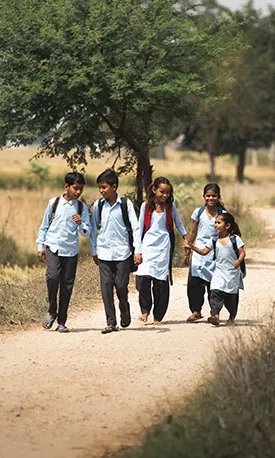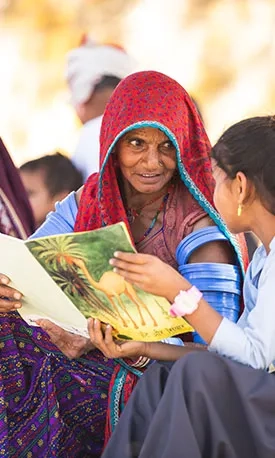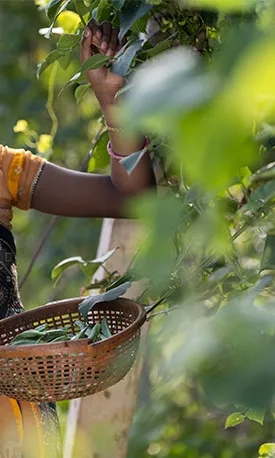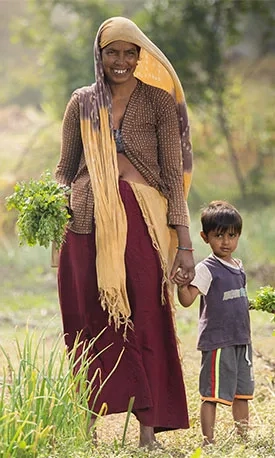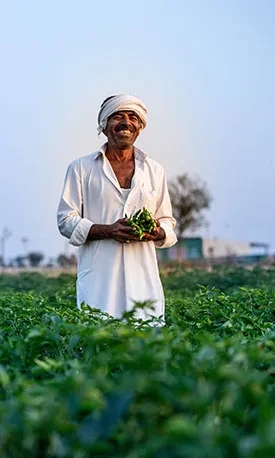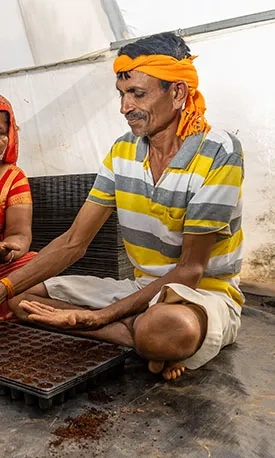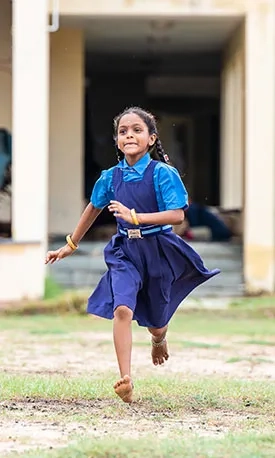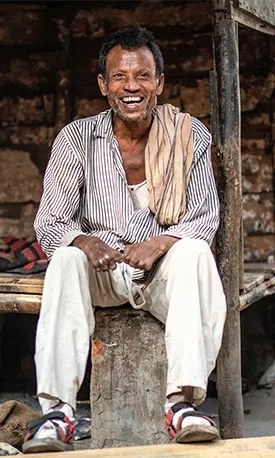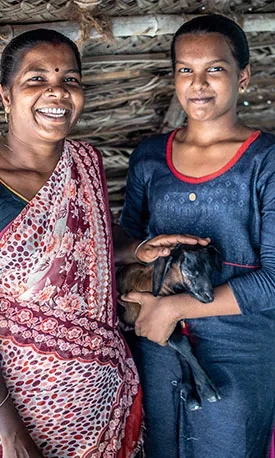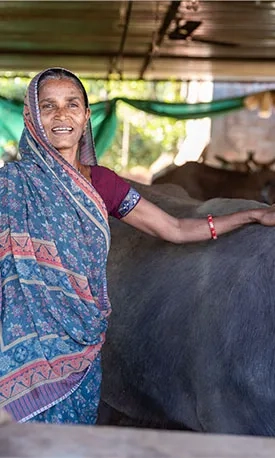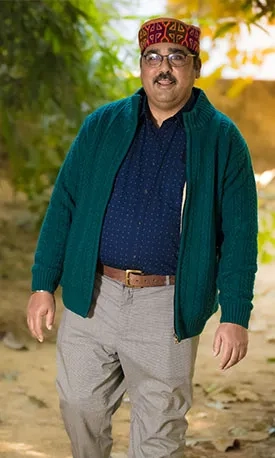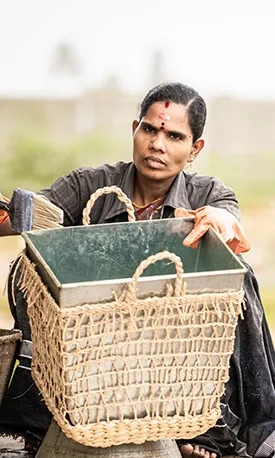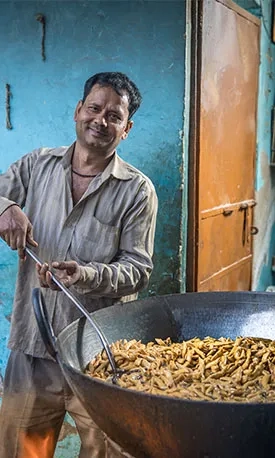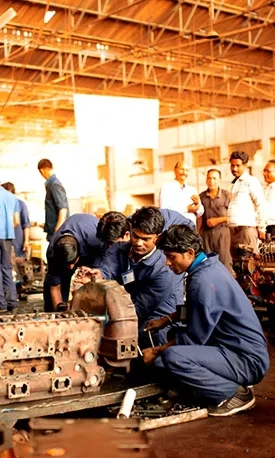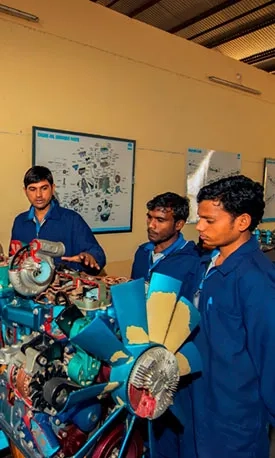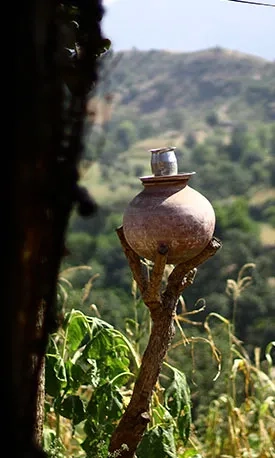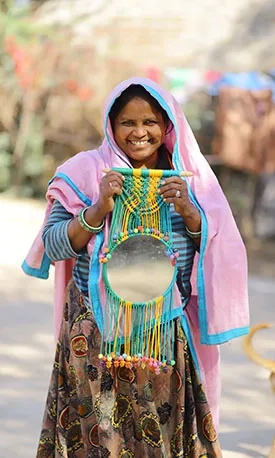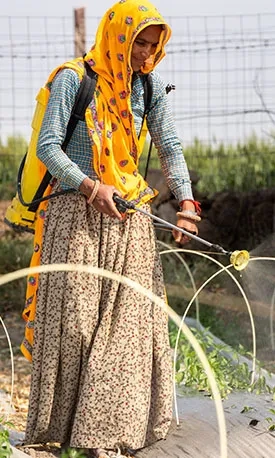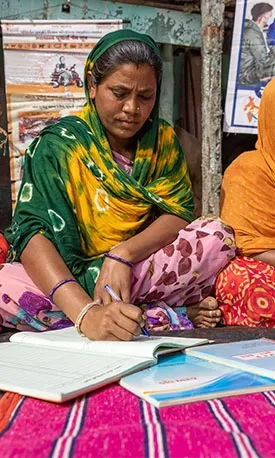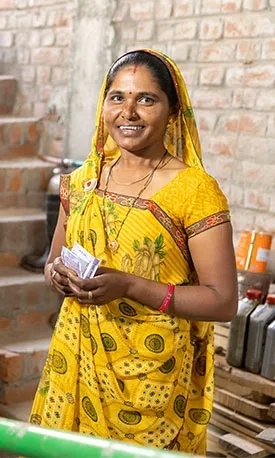
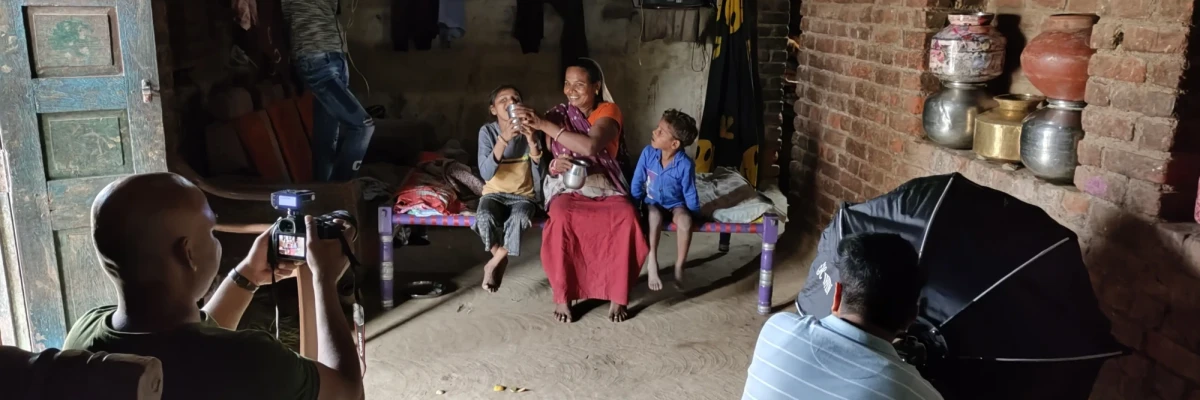
NGOs never work like brands. They don’t sell products, push discounts, or chase clicks for profit. What do they really say? “THE HUMAN STORIES.” This includes genuine people, communities, change, and impact. That’s exactly why good photos alone are never enough in this space.
For a Humanitarian Photographer, a camera is a magic tool for visuals. Above this, it’s a bridge between lived realities and the people who support those causes.
Moreover, Humanitarian photography is far from commercial work. You know why? Because the goal is dignity and context. Here, one careless frame can misrepresent a community.
In this blog, you’ll see how NGOs approach photography, what they truly expect from photographers, and how NGO storytelling through photography works on the ground. Move ahead with us to see how you can turn your creativity into meaning.
Understanding NGO Photography on the Ground: An Overview
So, what does working with an NGO mean?
It means engaging with organisations that function in very different ways. Here, some operate closely with local communities and limited resources. And others? They work at a larger scale with structured teams and long-term programmes. Moreover, for a humanitarian photographer, recognising these differences early helps set realistic expectations and build better collaboration.
And what about FIELDWORK? It comes from their own challenges. Where photography assignments may unfold in unfamiliar environments, where flexibility counts above control. Hence, photographers should be prepared for:
- Limited time and changing schedules
- Locations that aren’t designed for planned shoots
- Situations where trust needs to be earned before images are made
This time sensitivity also plays a crucial role. Every community has its own social dynamics and comfort levels. And these directly influence how stories should be photographed. This is where social impact photography in India goes beyond capturing moments. Moreover, it becomes about understanding people, contexts, and responsibilities.
How to Approach NGOs as a Humanitarian Photographer
Approaching NGOs doesn’t mean you have to fire off the same templated messages to twenty organisations and cross your fingers. What is it really about in reality? Something quieter, more deliberate, understanding the work they do. Also, about understanding the communities they serve, and the weight of documenting lives that aren’t yours to simplify.
Here, a thoughtful approach shapes the kind of relationship you’ll build from the first email forward.
Start with Research
Before you write a single line, sit with their work. Read their mission statement. Study the communities they’re embedded in. Then, look at the stories they’ve already told and how they’ve chosen to tell them. This kind of work is a signal. As it separated you from the dozens of photographers who lead with credentials and hope that’s enough.
Understand Their Communication Goals
NGOs don’t commission photography on an idea. Every image serves a purpose, whether it’s donor accountability, impact measurement, or a long-term narrative that unfolds across years. When you understand what they’re trying to communicate and why. That will be a turning point for you. Because then you stop being just another photographer. And become someone who can help them say what they need to say, visually and truthfully.
Share Relevant Work
Don’t send everything you shot. Curate slowly. Show work that reflects sensitivity to context, narrative depth, and an understanding of what it means to photograph people with dignity impact. Here, relevance builds trust faster than volume ever will. And one strong, contextually aligned series says more than fifty unrelated images.
Pitch Storytelling Value
Don’t frame your pitch around exposure or portfolio building. NGOs respond to clarity, reliability, and storytelling that serves a genuine purpose. The kind that defines strong non-profit photography services. This leads to what you bring to their mission.
How NGOs Use Photography for Storytelling & Impact
A photograph doesn’t live and die in a single moment, especially for NGOs. It works quietly across months and sometimes years. But how? By showing up in donor emails, funding proposals, annual reports, and social campaigns. This longevity makes every image a strategic asset. When photographers understand this extended lifecycle, they stop shooting for the moment and start building narratives that outlive the assignment itself.
Where NGO Images Actually Live
These images migrate across ecosystems:
- A portrait taken in the field might anchor a homepage, support a case study, illustrate a policy brief, or close a pitch deck
- Each context demands clarity
- The real job of NGO photography is translation. Like turning complex fieldwork, systemic challenges, and incremental progress into something a board member in London or a donor in Seattle can immediately grasp and trust
Why Single Images Are not Solely Enough
That’s why single hero shots rarely carry the weight NGOs need. What matters more is the arc:
- The before, the process, the small shifts
- The people involved, the proof
- The context that makes change visible
A well-sequenced photo story that builds credibility over time. When documentation is consistent and intentional, it becomes something deeper than marketing. It becomes evidence. And in the world of impact work, evidence is everything.
Why Many NGOs Prefer Professional Photography Partners
NGOs never give a second chance to any humanitarian photographer in India. Their timelines are tight. Whereas if we talk about the environment, then it’s unpredictable, and the stakes are high for both humans and reputations. This is exactly why many organisations move away from quick-fix solutions and invest in professional partners. Especially those who understand that good photography is in this space. This means responsibility, context, and consequences.
Reliability & Consistency
When an annual report is due, or a donor presentation is two weeks out, there’s no option for missed deadlines or inconsistent quality. Here is what professional partners deliver:
- Predictable timelines and dependable output quality
- A proven workflow that reduces back-and-forth revisions
- Peace of mind that allows program teams to focus on their actual work
This reliability is what keeps communication plans on track and stakeholder trust intact.
Experience in Sensitive Environments
Humanitarian photography isn’t like shooting a corporate event. Real lives are at stake. Experienced photographers know how to navigate:
- Complex social dynamics without causing harm
- Ethical boundaries that protect dignity and privacy
- Cultural nuances that an outsider might miss entirely
They’ve often learned the hard way that the camera is a powerful tool, and that wielding it carelessly can do real damage. That awareness changes how they show up on the ground.
Understanding Impact Communication
A beautiful photo means nothing if it doesn’t serve the mission. Professionals in this field don’t just capture moments. What do they really do? Think in narratives:
- How does this image support a funding proposal?
- What story does this frame tell when placed alongside program data?
- Will this visual still be relevant in next year’s impact report?
They understand that every photograph is a building block in a larger communication strategy, not a standalone piece of content.
The Value of Professional Nonprofit Photography Services
Professional nonprofit photography services aren’t about prettier images alone. In reality, they’re about merging visual skills with strategic planning, ethical accountability, and long-term purpose. And when done right, they amplify it, all by making impact visible and stories undeniable.
Typical Mistakes Photographers Make While Working with NGOs
The biggest mistake happens just before the shoot begins: treating NGO work as portfolio material instead of professional collaboration. What does this lead to? Weak commitment, missed deadlines, and dangerous gaps in ethical understanding. The respect of subjects and the confidence of organisations are compromised. But when? The moment photographers treat assignments more like “exposure” than as a paid responsibility.
Another common trap is over-directing moments or chasing hero shots at the expense of narrative. In reality, what are the requirements for humanitarian photography? Flexibility and planning for the future. But photographers misuse their subjects’ trust and block opportunities for effective collaboration when they disregard the role that images play in reports and campaigns.
Final Thoughts: Building Meaningful Collaborations Through Photography
Humanitarian photography in India is about carrying weight. Every frame holds responsibility to the people in it, to the mission behind it, and to the truth it’s meant to preserve. Once photographers and NGOs come to a mutual understanding, visual storytelling will go beyond its transactional nature and truly reflect its potential. So, this means a tool for building trust and driving change.
Meaningful Collaborations? They grow when photographers truly respect the mission they’re serving, and when NGOs recognize that thoughtful visual work is infrastructure. This alignment allows images to support continuity, reinforce credibility, and make impact visible across years, not just campaigns.
This is how we approach the Humanitarian photography service in India at Expressive Life. All with sensitivity to context, clarity in communication, and purpose in every frame. Because when storytelling is handled with care, images don’t just represent the work. They strengthen it. That’s the difference between photography that fades and photography that lasts.