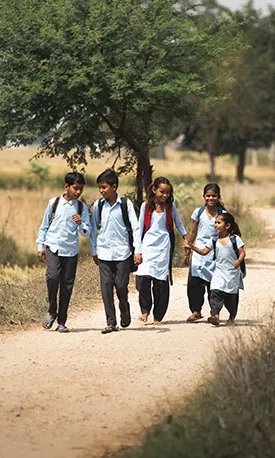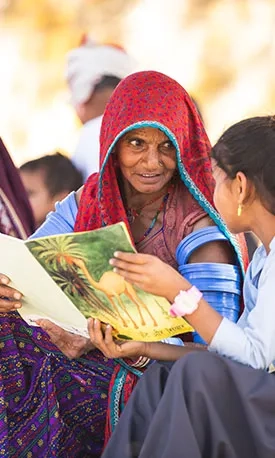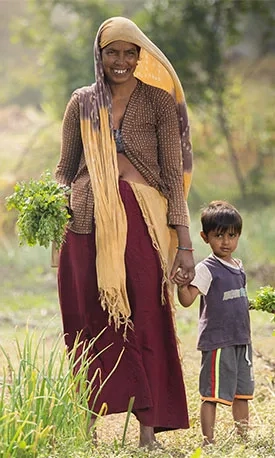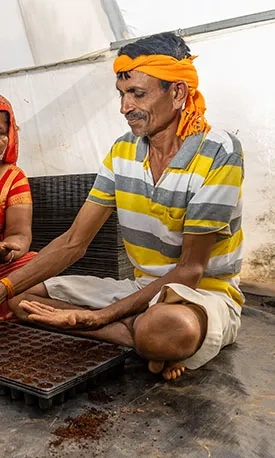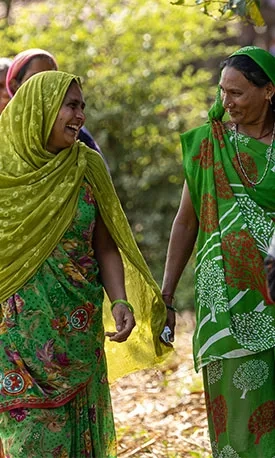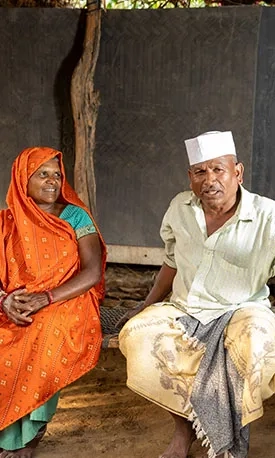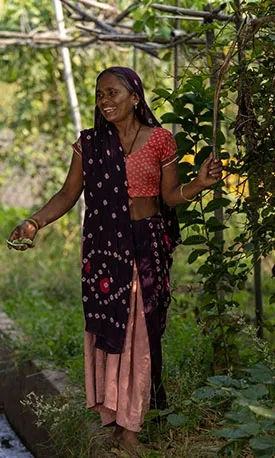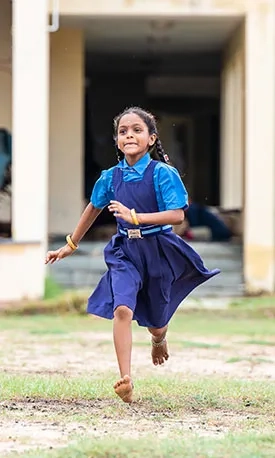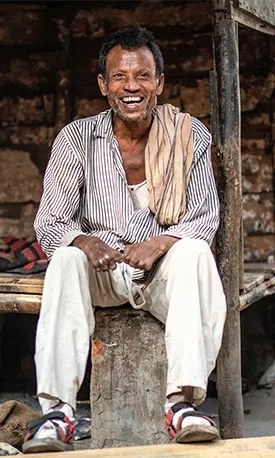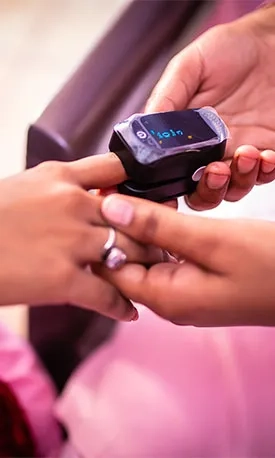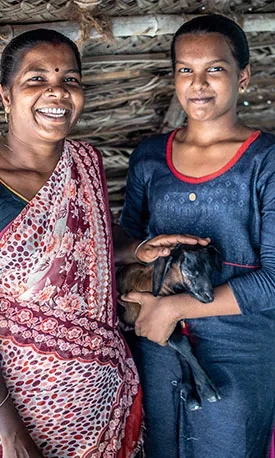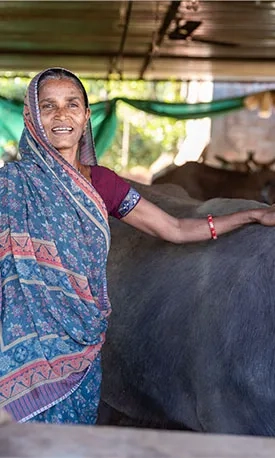

Let’s get one thing out of the way first: When it comes to inspiration, print is king, while digital is all about facts. And if we talk about annual reports, they’re for keeping records straight. But a Coffee Table Book? Holds the objective in place because you can’t delete the impact of a beautifully crafted book.
Expressive Life helps India’s most visionary NGOs transition from being a name on a list to a prestigious brand. We create coffee table books for impact storytelling. Simply because it’s about creating a physical anchor for your vision that lives long after the email is read.
This blog will teach you how to create a visual story that appeals to wealthy donors and how to elevate your impact beyond the computer screen. In addition, the detailed procedure for transforming unprocessed field data into a rare find is provided.
Exploring Beyond the PDF: Why Digital Isn’t Sufficient
Digital content is built for speed and is scrolled within 3 seconds. And PDFs? They serve a functional purpose. That often vanishes into a cluttered downloads folder. Moreover, it lacks the physical weight of a real mission. The infinite scroll trap loses even the most heartfelt impact stories.
But investing in coffee table books can result in something better. Coffee table books for impact storytelling enhance digital presence by creating a short version of your NGO’s entire journey.
Here’s what a premium coffee table book demands to get a different kind of attention:
- The Summary Anchor: The mesmerizing scent of ink and the weight of paper create a lasting memory.
- The Intentional Pause: Coffee table books force a donor to slow down and truly absorb your impact.
- The Permanent Guest: Unlike an email, a coffee table book for NGOs becomes a fixture in a donor’s home.
Furthermore, by choosing professional coffee table book services, you can move from a fleeting notification to a permanent narrative. This allows you to transform from a casual visitor in their inbox into a lasting legacy on their shelf.
The Coffee Table and Its Psychological Effects
In reality, one’s values can be displayed on a coffee table. When a donor places your book in place, they’re making a public statement about who they are and what they support.
The Broad Effect of Visibility
Books in their physical form are like silent ambassadors. Perched in highly visible areas like homes, boardrooms, and private lounges, they are sure to captivate guests and business associates. So, what’s the end result? The chain reaction of exposure to the elements that a digital link could never achieve.
The Reason Why Physical Presence Wins
A high-quality book creates an abstract impression that inspires confidence. It has the air of an antique, in contrast to the impersonal nature of most donor retention tools:
- Subconscious Belonging: Being in a donor’s personal space builds a deep, psychological sense of partnership.
- The Authority Factor: High-quality print is instinctively associated with transparency, stability, and longevity.
- The Social Spark: A visitor picking up your book turns your impact story into a shared conversation.
5 Reasons NGOs Need to Invest in Coffee Table Books Right Now
Turns Donors Into Believers
High-value donors, individuals, and corporate CSR departments never like to give money to causes. In reality, they give money to the stories they believe in. A coffee table book is the most effective way to move someone from “aware of your work” to emotionally invested in your mission. It slows the reader down and makes the impact feel real.
Makes CSR Partnership Conversations Effortless
What are CSR managers looking for? Something they can present to their own leadership, feature in their company’s sustainability reports, and be proud of externally. A coffee table book does that for them. It’s like a ready-made communication that travels across services for coffee table books for NGOs, like what Expressive Life offers, which are built around this exact need.
Captures Your Work Before The Context Changes
Communities change swiftly, and staff members? They move on. Even the programs evolve or end. But the specific human stories that made your work meaningful in a given phase of your organization’s history will not be accessible forever. A coffee table book preserves them in a form that is distributable, giftable, and permanent. It is documentation that also functions as storytelling.
Signals that Your Organization is Real
In a sector where credibility is everything, the way you present yourself actually carries weight. An NGO that invests in creative coffee table book design is telling every stakeholder that it takes its communication as seriously as its field operations. That signals organizational maturity in a way that good program data alone cannot.
Reaches Every Stakeholder Without Needing to be Adapted
A grant proposal works only for grant committees. A social media post works only for people who already follow you. A coffee table book works for a corporate board member, a journalist, a government official, an international foundation, and an individual philanthropist. The same object speaks to all of them in a language they each understand.
How to Design a Coffee Table Book That Earns Its Position on the Table
Knowing how to design a coffee table book for an NGO is a different skill from designing one for a hospitality brand or a luxury property. The emotional territory is different in this field. Because the photography has to be honest. And the writing? Has to be warm. Layout? It has to give the stories room to breathe without feeling empty.
Here is what the best NGO coffee table books have in common:
- Open with one real person: Someone with a name, a face, and a before and after. Not with your organization’s history.
- Work with a real photographer: Rushed phone photos never carry the emotional weight professional portraits do.
- Use fewer words than you think: Write captions, not paragraphs. And let strong images do the heavy lifting.
- Shape it like a story: Beginning, middle, and end. Not a project catalogue that people flip through once.
- Make the design invisible: Layout and typography should guide readers forward without them noticing.
- Print it properly: Paper quality and binding communicate your standards before anyone reads a word.
In short, find the right subject, build the narrative, and let visuals carry emotion. Only if your NGO uses films for storytelling is a coffee table book the natural companion.
Final Thoughts: Your Work Deserves to Be Seen Properly
The impact your NGO creates is real. But the question is whether the way you communicate it matches the weight of what you have built. Therefore, Expressive Life works with NGOs to create coffee table books that are editorially sharp, visually distinctive, and built around real field stories. Our coffee table book services for NGOs cover everything from the initial narrative framework through photography direction, writing layout, and print production.
If you’re ready to build something that lasts beyond your next annual report, then explore Expressive Life’s coffee table book services.