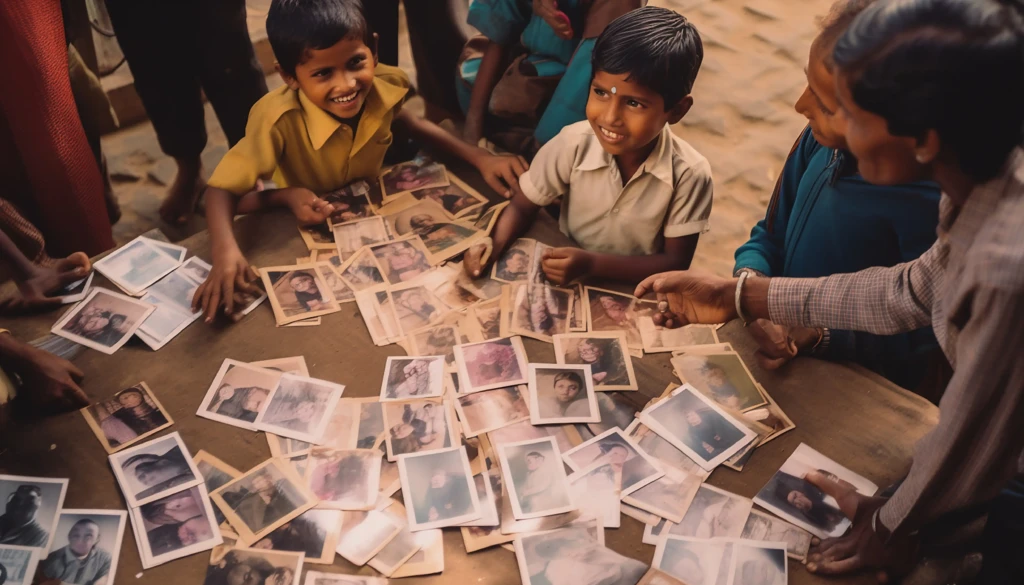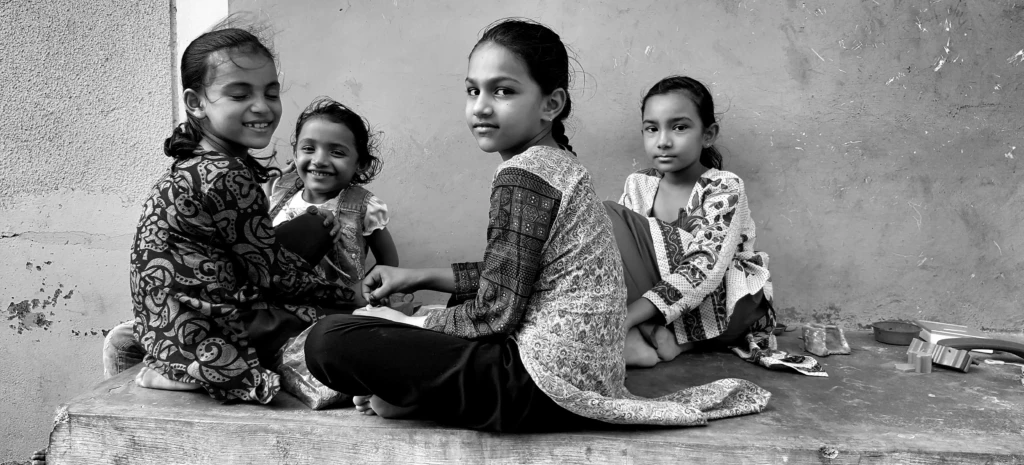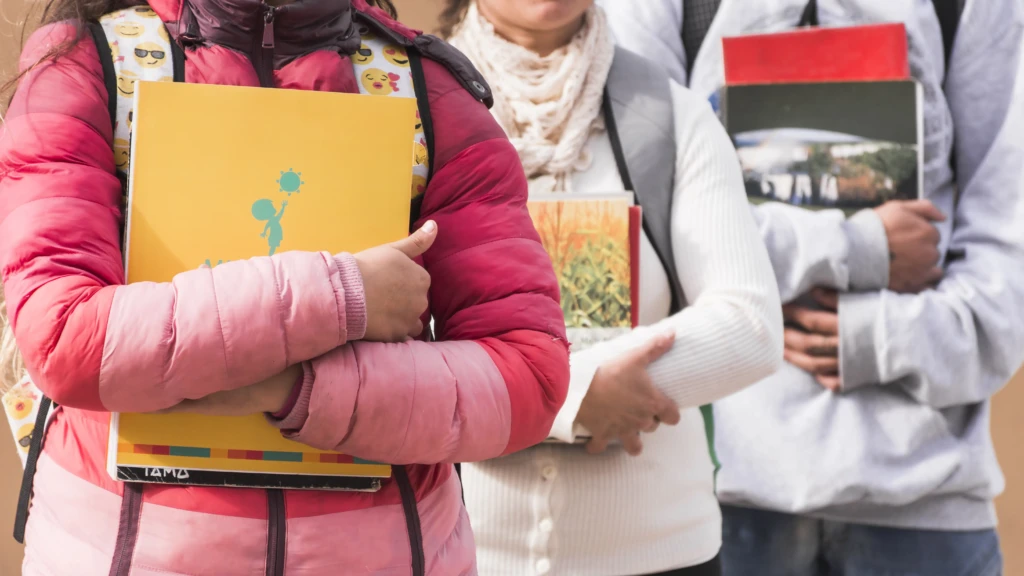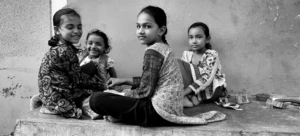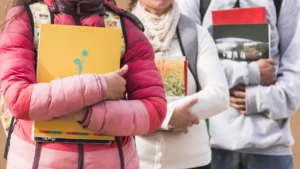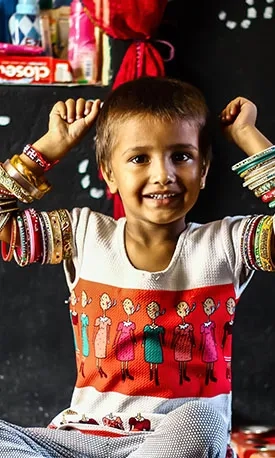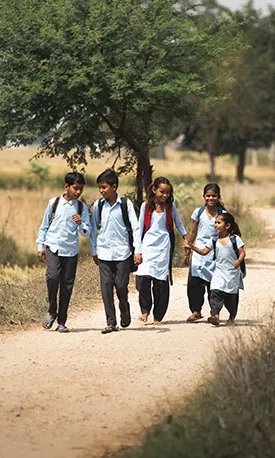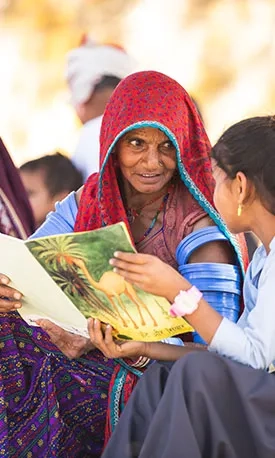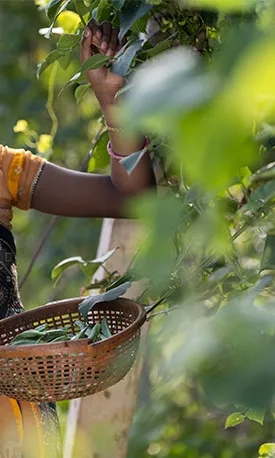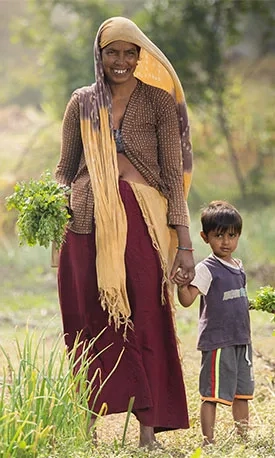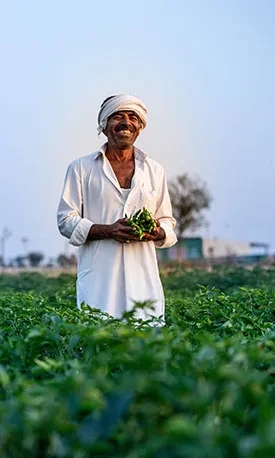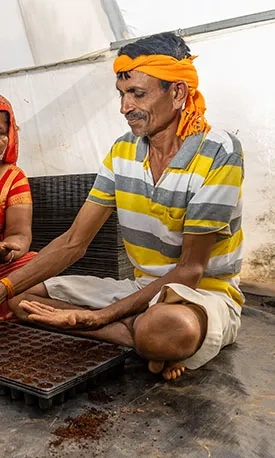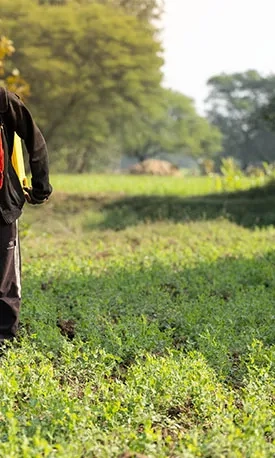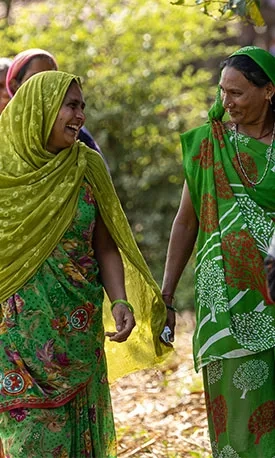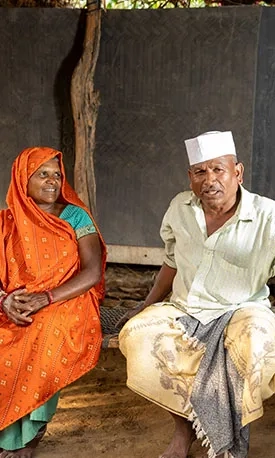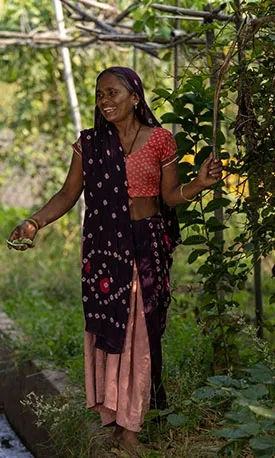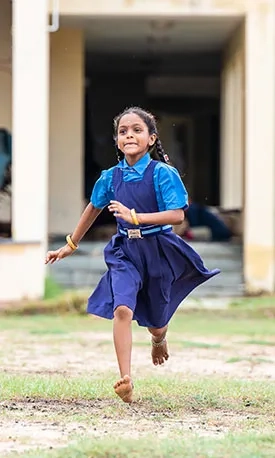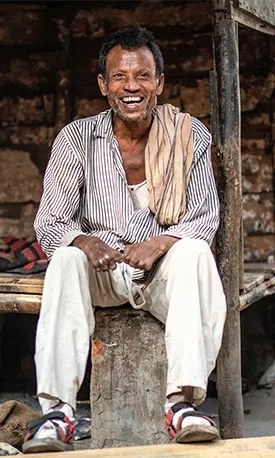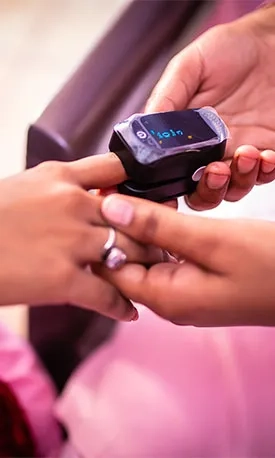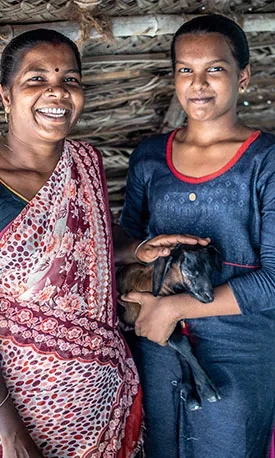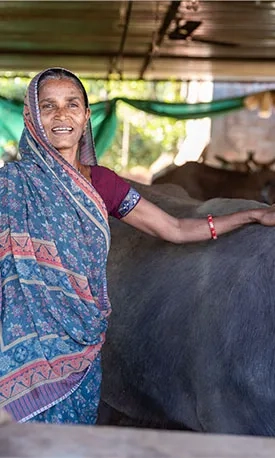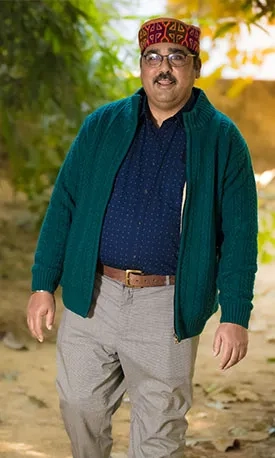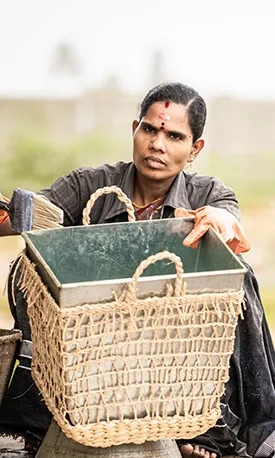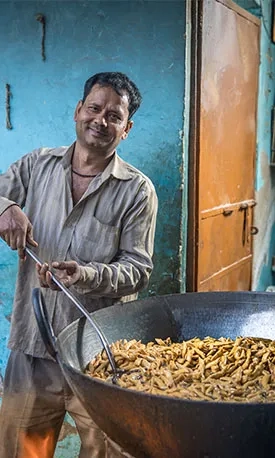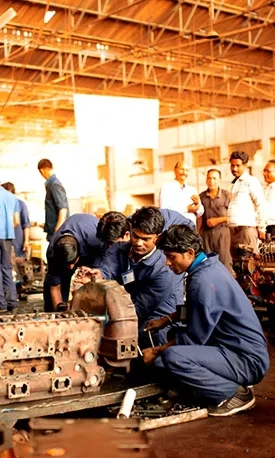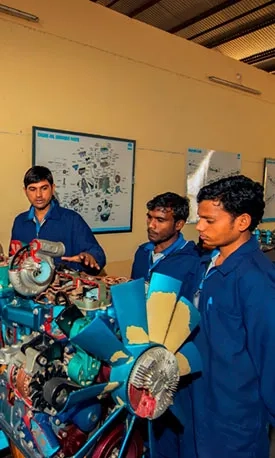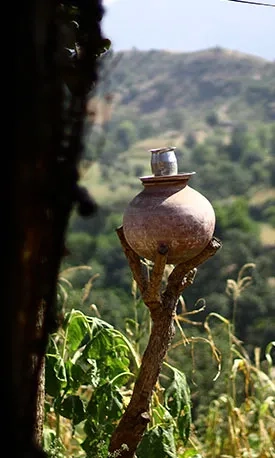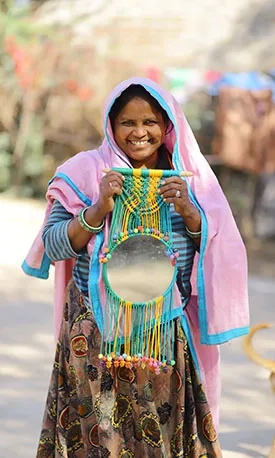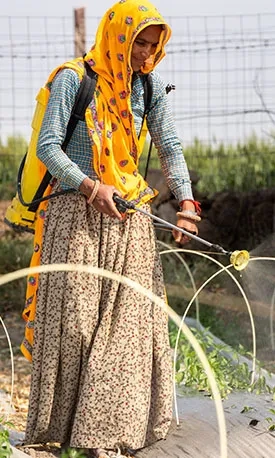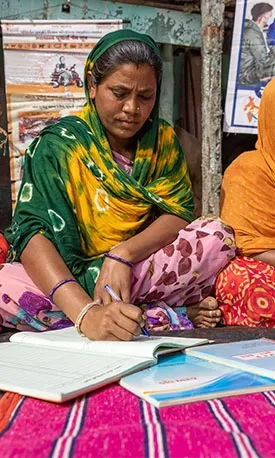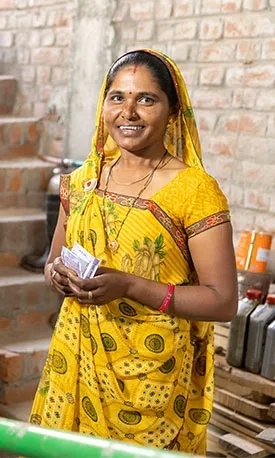
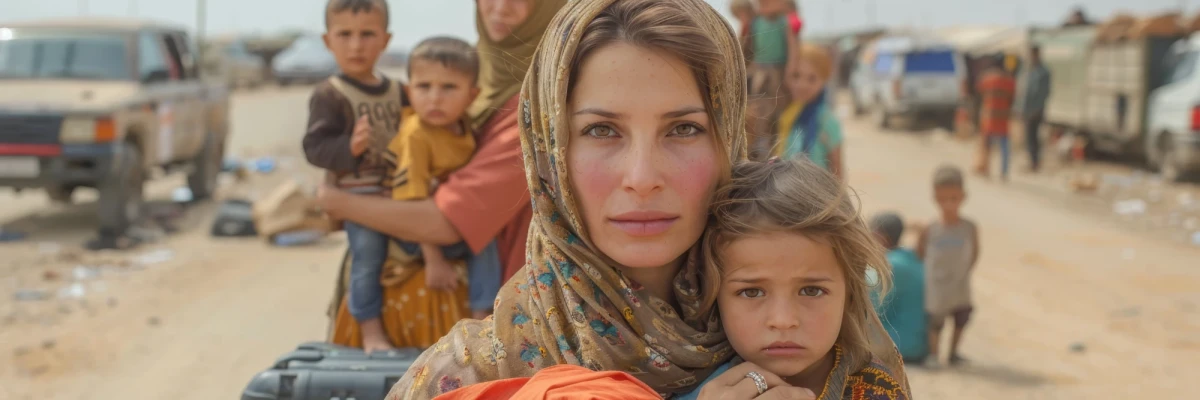
Ethics in Humanitarian Photography focuses on highlighting genuine human stories with honesty, dignity, and respect. It ensures that photographers do not exploit pain, ignore consent, or misrepresent communities. The ethical practice comprises getting consent, highlighting the fact, being sensitive to different cultures, and refraining from sensationalism. The professionals and the organizations involved in photography take care of the story along with human decency, love, and honesty.
Why Humanitarian Photography?
Humanitarian Photography powerfully communicates real stories of resilience, hope, and meaningful change across diverse communities. These images express raw human emotions that simple words often fail to explain with true depth. NGOs, nonprofits, CSR initiatives, government bodies, and social organizations use such photography as a strong communication tool.
It raises community awareness by highlighting real people and real issues that need urgent attention. Strong visuals build trust, create empathy, and lead to deep emotional connections with the audience. These images inspire people to donate, support, and contribute actively to fundraising efforts. Most importantly, humanitarian photography starts conversations, influences public opinion, and drives social movements that create long-term positive impact.
The ethics of humanitarian photography: capturing humanity with respect
The ethics of humanitarian photography imply that you must feel the feelings as well as empathise with the people you shoot. Moreover, the primary goal is to portray reality authentically, as humanitarian photography involves obtaining informed consent, demonstrating cultural sensitivity, and providing honest representation without causing harm.
The following are the five clear points that you should keep in mind:
- Respecting an individual’s dignity.
- Getting informed consent.
- Portraying resilience over victimhood.
- Fair and accurate representation.
- Respecting boundaries.
Exploring The Role Of Photography In Humanitarian Work For Social Impact
Humanitarian and storytelling photography work is very significant. It makes people more aware of the actual problems and motivates them to take part in the actions that matter. In the following lines, we will discuss the five major ways it causes social impact:
- Boosting Awareness Through Visual Truth: Humanitarian photography captures only real moments that reveal challenges, including disasters, poverty, inequality, health crises, or injustice. After seeing these pictures, this helps people to understand the situations that words alone cannot fully describe.
- Documenting Reality On The Ground: Photographers take accurate and genuine pictures that allow NGOs/ Nonprofits, and Corporate Social Responsibility (CSR) to see the situation clearly. The pictures are proof and facilitate the planning of better interventions by the organizations.
- Supporting Fundraising and Campaigns: Humanitarian groups rely on pictures to make their campaigns more powerful. A powerful and moving picture can have an impact on the people who make the decisions, communicate the messages more quickly, and encourage communities to engage with important causes.
- Inspiring Empathy and Action: An impactful picture is capable of pushing people towards donating, working as a volunteer, or advocating for a change. Photographic art (by making an emotional bond between people and an issue) acts as a communication channel between the needy and the haves.
Why Ethical Humanitarian Photography Matters?
When it comes to photography, ethics sets the standard for real human interaction. It shows the world the truth behind problems, without taking advantage of them. Thus, informing the world about the real issues in a way that is not abusive.
Here’s what ethical photography achieves:
- Builds trust between communities and storytellers.
- Creates more powerful, truthful images.
- Encourages compassion instead of pity.
- Supports responsible fundraising.
- Protects the dignity and safety of helpless People.
- Ensures long-term positive relationships.
- Assists NGOs in telling stories respectfully.
How to be an Ethical Humanitarian Photographer?
It is a prerequisite to being an ethical humanitarian photographer to regard all individuals with dignity and respect. There could never be a situation where consent is not obtained. Moreover, the very person should be informed about the taking of his/her picture. Stay with the people, learn their lives, and don’t shoot pictures that are intrusive or exploit their emotions. Also, do not perform or exaggerate painful situations for the sake of getting a strong image. To be true, show the power of the story along with the hardship, and be sincere in narrating the stories.
Above all, your pictures should not be harmful. It should respect the humanity of the people you capture through your lens.
How To Pursue A Career In Human Rights Photography: 4 Essential Steps
1. Understand the Field and Identify Your Interest
Human rights represent a large area consisting of many issues, among them women’s rights, child protection, refugees, education, environment, digital rights, and others. To begin with, determine which issue figures most importantly for you. You can do so by reading articles, following NGOs/Nonprofits, watching documentaries, and getting to know the kinds of work that people do in this area. As soon as you find out your interest, it will be a lot easier to make a decision regarding the career path you will take.
2. Build the Right Education and Skills
A diploma in social work, international relations, law, journalism, sociology, psychology, or development studies is definitely a support. But skills, on the other hand, are equally necessary, like research, communication, writing, photography, project management, and community engagement, which are all greatly appreciated. Additionally, consider taking online courses offered by well-known universities to improve your skills.
3. Gain Practical Experience through Volunteering or Internships
There are so many projects that are organized by several organizations, and you may engage in those projects. When it comes to an internship (no matter whether paid or unpaid) will help you acquire knowledge through active involvement in such activities as fieldwork, documentation, advocacy, and project planning as well. This kind of practical experience increases your self-esteem and, at the same time, serves as an additional quality for your curriculum vitae.
4. Build a Network in the Human Rights Community
Must participate in webinars, seminars, and workshops as well. Build connections with human rights workers on LinkedIn. Networking opens up the job market and gives the chance to get knowledge from professionals who have been there and done that.
The Bottom Line
Humanitarian Photography done with empathy and respect would be a compelling tool for awareness and compassion to take place. An organization like Expressive Life uses the same ethical approach to unfold the real stories and storytelling through images. We do more than just click photographs. Indeed, our team provides various professional Humanitarian Photography Services that catch attention for support.
Visit our official website for more information, and contact us anytime for services.