Every day, an NGO somewhere in India is doing real work. Children are getting meals. Women are learning new skills. Farmers are rebuilding their livelihoods. The impact is genuine. The mission is strong.
But then someone opens the NGO’s website or donation page, and the photos tell a different story. Blurry field shots. Dark, poorly framed images. Casual phone snaps that could belong to anyone.
Donors scroll past. Funders move on. And all that real, meaningful work becomes invisible.
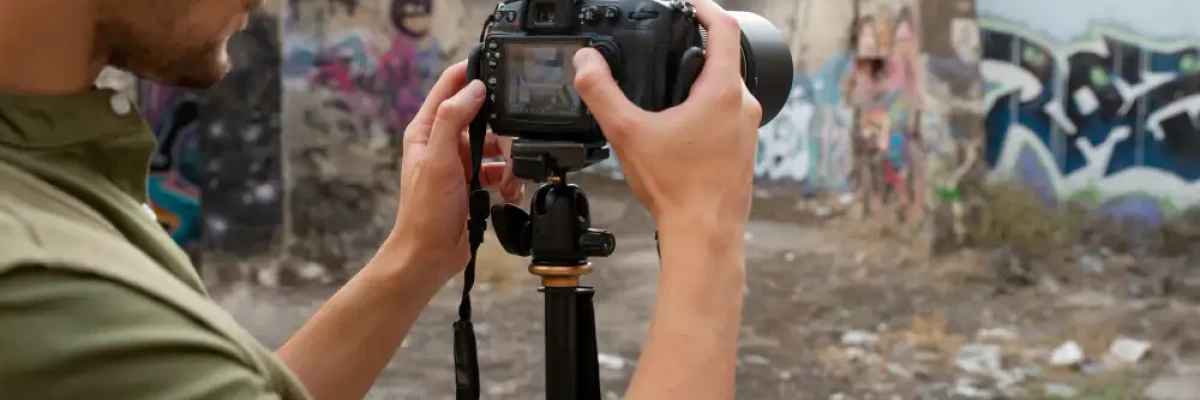
This is exactly the gap a skilled NGO photographer fills. Not just someone who clicks pictures, but someone who translates your mission into visuals that make people stop, feel something, and act.
Whether you are new to this or just trying to make a better hiring decision. This blog about the NGO photographer: Complete Guide has you covered. What the work involves, what it costs in India, and what to look for before you sign anyone.
Expressive Life has worked with non-profits, NGOs, and social organisations across India for years. Photography, film, annual reports, and visual storytelling in every form. This guide comes from that experience, not a textbook.
What is NGO Photography: More Than Just Taking Pictures
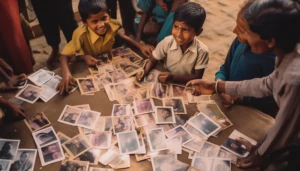
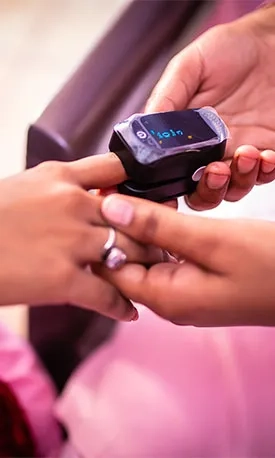
Put simply, NGO photography is the visual documentation of a non-profit’s work. Field programs, community interactions, beneficiary stories, events, campaigns, all of it, captured on camera.
But calling it just “documentation” undersells what it actually does.
Commercial photography wants you to buy something. NGO photography wants you to believe in something. Every frame has to quietly answer the donor’s unspoken question: Is this organisation for real?
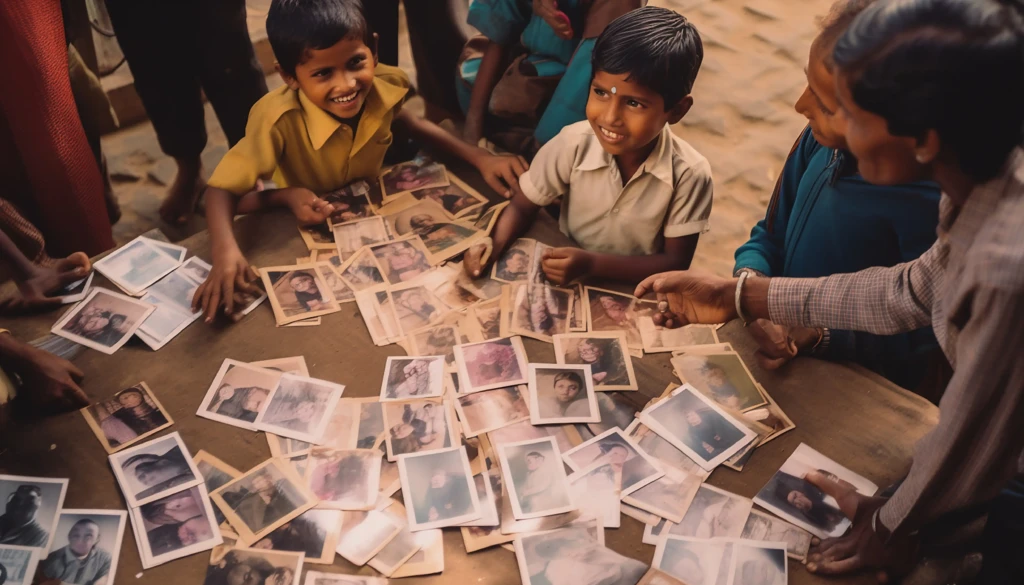
Anyone can point a camera at a person in need and press a button. That is not NGO photography. A skilled photographer earns the right to be in that space first. They build comfort, move slowly, and pay attention. The best field photographs are never directed. They come from a photographer who has done the quiet work of being trusted, and that trust shows in every frame.
Every NGO has different needs. The photography, accordingly, takes different shapes:
- Field documentation – real-time coverage of programs and ground-level work.
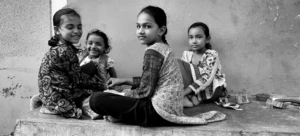
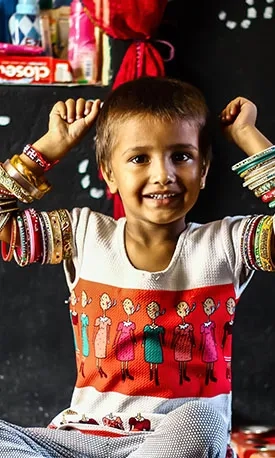
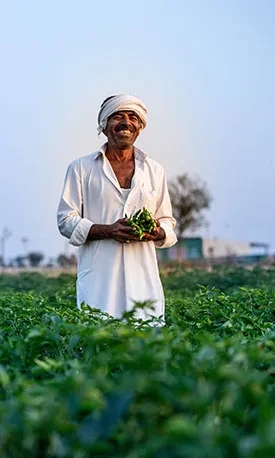
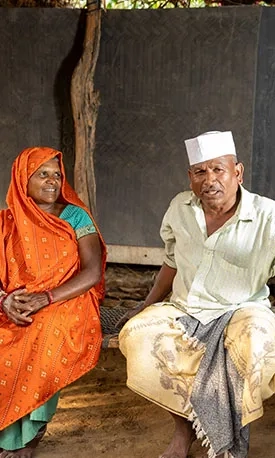
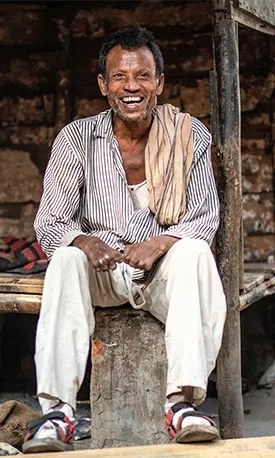
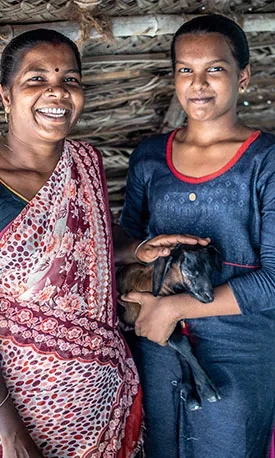
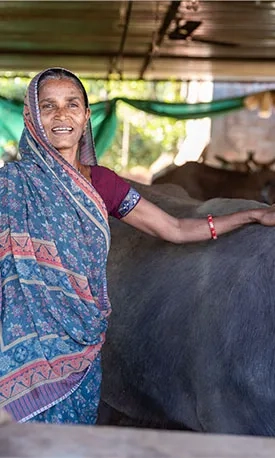
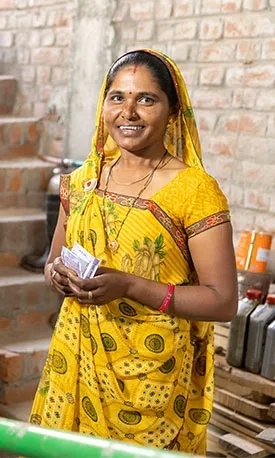
- Beneficiary portraits – story-driven images that show people with dignity.
- Event coverage – fundraisers, drives, and community gatherings.
- Annual report imagery – high-resolution visuals for print and digital use.
- Campaign visuals – content built for fundraising and awareness.
The format changes. The purpose does not – SHOW THE WORK, BUILD THE TRUST.
Why NGOs Need Professional Photographers More Than They Realise?
Most NGOs do not plan for photography. Someone on the team pulls out their phone during a field visit. A volunteer covers the annual event. The photos get uploaded to the website, and nobody thinks twice about it.
But here is what is actually happening on the other side.
A donor lands on your campaign page. Before they read a single word, they have already looked at your photos. And in those first few seconds, they have made a quiet decision about whether your organisation looks credible. Poor visuals do not just look careless. They make people wonder if the work itself is being handled with the same carelessness.
Here is exactly why NGO photography is not optional anymore:
- Donor Trust Comes Before Everything – When someone visits your donation page, your photos speak before your words do. Blurry, poorly lit images signal that the organisation is not taking its own presentation seriously. A professional NGO photographer makes sure every image builds confidence, not doubt.
- Funding Proposals Need Visual Proof – CSR teams and grant committees review hundreds of proposals. A strong, well-composed photograph of real program work makes yours stand out. Many funders today expect strong NGO photography as part of impact documentation, not just written reports.
- Social Media Reach Depends on Visual Quality – Instagram, LinkedIn, and Facebook all favour high-quality visuals in their algorithms. A well-shot field photograph from a skilled non-profit photographer gets shared and seen. A dull phone image gets buried, no matter how strong the caption is.
- Print Materials Cannot Use Low-Resolution Images – Annual reports and coffee table books go directly to board members, major donors, and government partners. These materials demand print-quality images. Professional NGO photography ensures your organisation shows up polished and credible in every format.
Quality visuals are not a luxury for NGOs. They are directly tied to how much trust you build, how much funding you attract, and how seriously your work is taken.
How NGO Photography Helps Fundraising More Than Any Report Ever Will
Numbers do not raise money. People do. A five-year impact report with clean graphs and solid data will rarely make someone open their wallet. But one photograph of a real person, in a real moment, does something different. It makes the cause feel close. That closeness is what drives donations, and it only comes from strong NGO photography.
#1. Crowdfunding Campaigns Convert Better With Professional Visuals
Milaap, Ketto, and GiveIndia are crowded platforms. A donor scrolling through ten campaigns in a row will stop for one reason, a photograph that feels so real. Campaigns with authentic humanitarian photography get more clicks, more reads, and more giving. The photograph is often the only reason someone stops scrolling long enough to read the story.
#2. Donor Reports Build Loyalty Through Real Images
Most NGOs send text updates. The ones that send photographs of actual program work keep donors far better. Add a well-designed annual report to that, and a one-time donor quietly becomes a long-term supporter.
#3. CSR Donors Need Visual Documentation
A corporate funder has its own board to answer to. They need proof, not just a letter, but photographs and footage showing exactly where the money went. Strong NGO photography services paired with development sector films give them something they can actually present.
A well-built visual library does not just support one campaign. It becomes the backbone of every donor communication, proposal, and report your organisation puts out. That is the real return on investing in NGO photography.
7 Types of NGO Photography Services: A Complete Breakdown
NGO photography is not a single service. Different organisations need different kinds of visual work. Here is a clear breakdown of what actually exists in this space:
1. Field & Community Documentation
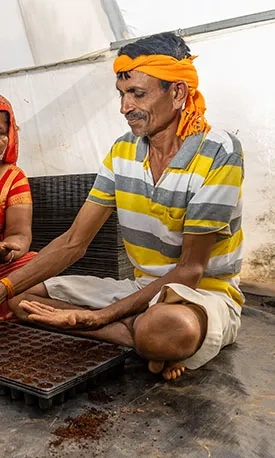
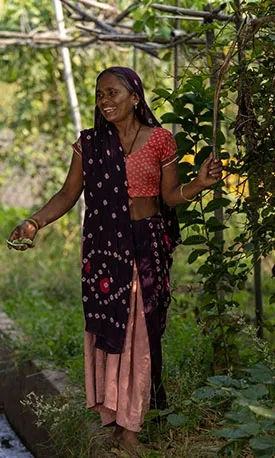
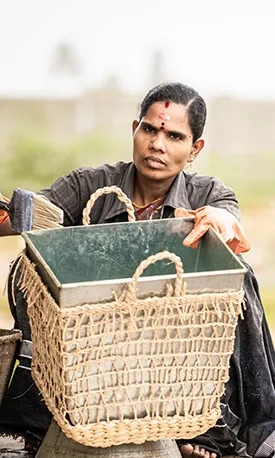
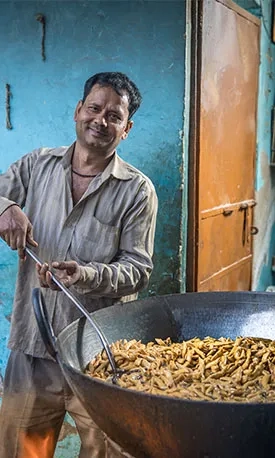
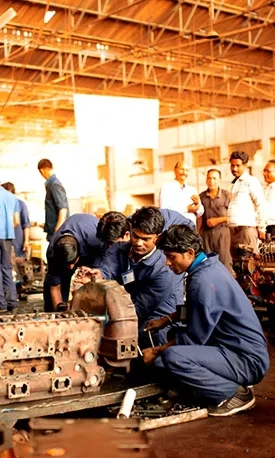
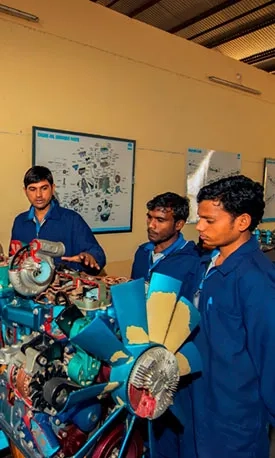
A photographer goes to where the program actually runs and shoots it as it happens, including community meetings, skill training, health camps, field interventions, and daily beneficiary interactions. No sets, no direction. This is the most common form of NGO photography services in India, and it forms the visual backbone of most impact communication.
2. Beneficiary Portraits
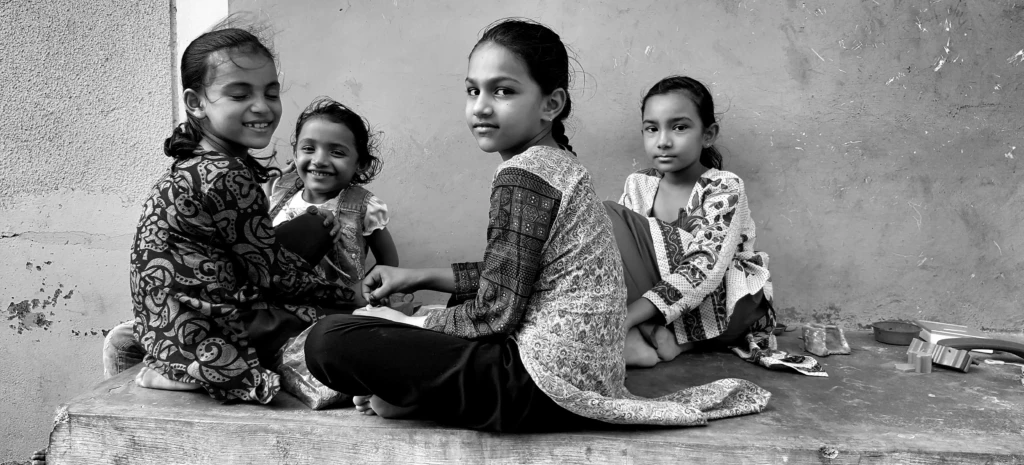
These are individual, story-driven photographs of the people an organisation serves. A good beneficiary portrait does more than a three-page case study. The line between a powerful portrait and an exploitative one is thin, consent, context, and dignity are what keep it on the right side. This is where a professional NGO photographer earns their fee.
3. Event & Conference Photography
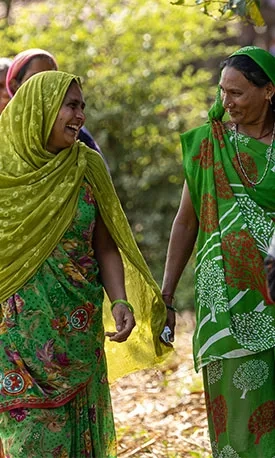
NGO events move fast and do not slow down for anyone. The best nonprofit event photographer is the one nobody noticed was there. They move quietly, pay attention, and come back with the unguarded moments, the real conversations, the genuine reactions, the feeling of a room that was actually alive.
4. Impact Documentation
This is visual proof that a project worked. Before and after shots, milestone coverage, process photography over weeks or months, all building a credible record of what changed and when. CSR reporting and grant renewals both become significantly stronger with this kind of photographic evidence behind them.
5. Annual Report Photography
Annual reports go directly to board members, major donors, and government partners. The images inside need to be sharp, high-resolution, and print-ready. There is simply no substitute here, repurposed phone shots do not belong in these documents.
6. Campaign & Social Media Content
Instagram, LinkedIn, and Facebook each have their own visual language and format requirements. Nonprofit photography services built for digital campaigns account for all of that, right framing, right dimensions, right emotional tone for the platform and the audience.
7. Coffee Table Book Photography
A coffee table book is not a photo album. It is a narrative built across an entire body of work. Putting one together around an NGO’s mission requires a photographer who thinks in sequences and storylines, not just individual frames. When done well, it is one of the most lasting and credible donor engagement tools an organisation can produce.
At the end of the day, wrong photography for the right occasion is just as costly as no photography at all. Knowing which type fits your need is where good visual work actually begins.
How To Hire An NGO Photographer? 6 Things Every NGO Should Do First
Most organisations get this wrong, not because they are careless, but because they do not know what to look for. A bad hire does not just waste money, it can damage community trust in ways that take much longer to repair. Here is what the process should actually look like:
- Step 1: Define What You Actually Need – Most bad hires happen because the scope was never defined clearly. A nonprofit event photographer and a field documentation specialist are very different people. Know which one you need before the search begins.
- Step 2: Look at Their Portfolio, Specifically – Do not just check if their photos are good. Check what they have shot. An NGO photographer with community and rural work behind them will approach your project very differently from someone whose portfolio is full of weddings and corporate headshots. The subject matter tells you more than the technical quality does.
- Step 3: Ask About Their Ethical Standards – This is the step most organisations skip and later regret. How do they handle informed consent? Have they worked with children or marginalised communities before? A professional NGO photographer should have clear answers, not unclear ones.
- Step 4: Get the Deliverables in Writing – Turnaround time, number of edited images, file formats, raw file ownership, every one of these needs to be agreed upon before the shoot, not after. Assumptions on either side almost always lead to friction.
- Step 5: Ask for References from Other NGOs – If they have worked well in the development sector, they will have organisations willing to say so. No references from non-profits are a red flag worth paying attention to.
- Step 6: Sort Out Usage Rights Early – You will need images for proposals, reports, social media, and press. Make sure unlimited internal and external usage rights are part of the agreement before anything is signed.
Searching “NGO photographer near me” is a fair place to start, but geography should not be the deciding factor, especially when your work runs across multiple states. Expressive Life works pan-India and brings the same visual standards to every location, which matters far more than proximity when the stakes are high.
NGO Photography Pricing in India: A Realistic Guide
NGO photography in India does not have a fixed price. What you end up paying depends on:
- How experienced the photographer is
- How big or complex the project is
- How much travel is involved
- What exactly needs to be delivered
On top of that, a few things push the cost higher:
- Usage rights (how many places you can use the photos)
- How quickly do you need the images
- How many edited photos do you need
“Affordable NGO photography” does not mean picking the cheapest option. It means getting the best possible result for the money you are spending. A poorly done shoot wastes money twice, once when you pay the photographer, and again when the images turn out unusable, and you have to shoot all over again.
And one more important point, photographers who regularly work with non-profits often offer NGO-specific pricing for mission-aligned organisations. So it is always worth asking them directly. There is no harm in that.
Best Tips for NGO Photography: What to Do Before, During and After the Shoot
Good NGO photography does not happen by accident. A lot of it comes down to preparation, communication, and knowing what you are actually trying to say before the shoot begins.
#1. Brief Your Photographer on the Mission
Context changes everything. Tell your photographer what the program is trying to do, who the community is, and how the photos will be used. Someone walking in with that knowledge sees the assignment differently. The angles they choose, the moments they wait for, none of that happens the same way without it.
#2. Get Community Consent Properly
Consent is not a checkbox. People need to know what is being photographed, where it will go, and who will see it, and that conversation happens before the shoot, not during it. Take the time before the shoot. Talk to people, and then you can see it in how people carry themselves in the photographs. That trust shows up in every single frame.
#3. Shoot in Real Conditions
Staged photographs look staged. Cleaned-up locations, arranged groups, and directed smiles rarely produce images that move anyone. Authentic NGO photography captures what is actually happening, even when that is messy or imperfect.
#4. Prioritise Faces and Emotions
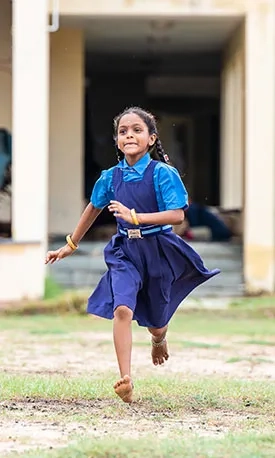
Scale matters, but it does not move people. A photograph of a woman on the day she received her first income, or a child the moment something finally clicked in a classroom, that is what stays with a donor. Wide shots have their use, but the close-up is where the money comes from.
#5. Work With Development-Sector Specialists
The camera is the easy part. What takes years to build is the understanding of how communities work, what ethical documentation actually looks like in practice, and how development programmes function on the ground. For nonprofit photography services, hiring someone without that background is a risk most organisations only take once.
Every Life Has a Story. Let’s Make It Heard. We don’t just take pictures, we document the soul of your mission. Expressive Life works with NGOs across India to make sure the real story of their work never goes unseen.
Closing Thoughts
Photography is not a line item to cut when budgets get tight. For an NGO, it is one of the most direct investments you can make in your mission’s visibility and credibility.
Anyone can learn camera settings. Not everyone can walk into a rural community, earn trust quickly, understand what the funder on the other end of the report needs to feel, and come back with images that serve both. That specific combination is what separates a good NGO photographer from one who just takes good pictures.
At Expressive Life, this is the only work we do. We partner with non-profits, NGOs, and CSR initiatives across India, through humanitarian photography, annual reports, coffee table books, and everything in between.
The stories are already there. Let’s make sure they get told.
Most Searched Keywords
NGO Photographer Maharashtra | NGO Photography Rajasthan | NGO Photographer Delhi | NGO Photographer Gujarat | NGO Photography Haryana | NGO Photography Chhattisgarh | NGO Photography Andhra Pradesh | NGO Photography Ajmer | NGO Photography Jaipur | NGO Photography Rajkot | NGO Photography Surat | NGO Photographer Raipur | NGO Photographer Bhilai | NGO Photography Visakhapatnam | NGO Photographer Amaravati | NGO Photographer Mumbai | NGO Photography Pune