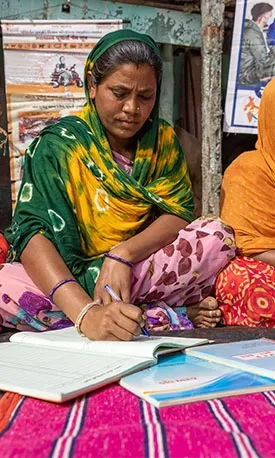

If you really do have a hard time understanding how to prepare an NGO’s annual report, let us clarify it for you. Each organization, including non-profits, has to prepare an annual report as it is an essential document for any entity and particularly for non-governmental organizations (NGOs). This official paper gives an explicit overview of the organization’s activities, accomplishments, difficulties, and its financial situation for a certain year. To be more precise, the report clearly illustrates how the NGO has allocated its resources to fulfill its mission and make a positive impact in society.
Why is an Annual Report Important for NGOs?
The annual report exemplifies those qualities that are most important in the contemporary, trust-centered development sector: transparency, accountability, and trust. It is, however, increasingly the case that government agencies, donors, CSR partners, and the public all expect and demand to see clear evidence of the financial outlay and the social impact it has created.
Creating an NGO Annual Report also plays a vital role in building trust with stakeholders. Additionally, trust and responsible governance are the two primary characteristics of an NGO that accurately reflect its achievements, challenges, and lessons learned. Furthermore, this not only makes the bonds with current donors stronger but also makes it easier to attract new ones, both funders and partners.
Key Points of the Importance of Annual Reports for Indian NGOs:
- Builds donor trust
- Ensures transparency
- Shows social impact
- Supports legal compliance
- Strengthens credibility
- Improves accountability
- Attracts funding partners
- Communicates achievements
- Guides future planning
How To Prepare An NGO’s Annual Report With Amazing, Useful Tips
Here we are sharing the amazing Tips To Make Your NGO’s Annual Report More Engaging that are given below:
1. Define the Purpose and Target Audience
Firstly, clearly defines the purpose and target audience when you want to know how to write an annual report for an NGO. The yearly report is understandable by the donors, corporate social responsibility partners, government authorities, beneficiaries, volunteers, and the public. To put it simply, every audience seeks different kinds of information, like social impact, financial transparency, or plans.
Knowing the audience will make the report more focused, meaningful, and powerful. Consequently, a precisely directed annual report will not only depict the NGO’s work more clearly but also assuredly reinforce the relationships with the major stakeholders.
2. Start With a Strong Executive Summary
The executive summary or “highlights section” is like the cover of a book for the entire annual report for Indian NGOs. This summarizes the NGO’s key achievements, the most important programs, the number of beneficiaries, and the financial overview for the year. This part of the report is very necessary because many readers probably will not read the full report.
In addition, this part of the text communicates the main points very concisely and clearly. Additionally, simple vocabulary, bullet points, and important numbers should be used to draw interest in the report. A carefully prepared executive summary not only provides the audience with a rapid overview of the NGO’s effect. But also attracts them to the complete report with a lot of curiosity and assurance.
3. Clearly Explain The NGO’s Mission and Vision
One of the other tips to make your NGO’s annual report more engaging is to define clearly the mission, vision, and values of the NGO. This will not only bring the organization closer to the readers. But it also reveals the social issues that it is fighting against. To assist the reader in forming a comprehensive picture of the NGO, its historical background, current and planned activities, geographical areas of operation, and plans are mentioned. This section of the report connects the NGO’s activities and also shows the alignment of vision and action.
Furthermore, a clear mission can be a good guide for donors and partners to get aligned with the NGO’s values. As a result, if this part is written very simply and honestly, then this builds credibility. Also strengthens the organization’s identity and commitment to social change.
4. Highlights Programs and Activities Effectively
When creating an NGO’s annual report, the core part of an NGO’s report is the program section. It should clearly describe prominent projects, activities, and interventions that have taken place during the year. For every program, objectives, target groups, locations, and key outcomes should be stated.
Avoid listing activities and instead explain how these activities created positive change.
Employ brief case studies, testimonies, and images to improve the attractiveness of the content. This part illustrates the NGO’s on-the-ground activities and demonstrates the transformation of the resources into actual impact for the communities and beneficiaries.
5. Focus on Impact, Not Just Activities
Modern annual reports focus on impact instead of just the activities performed. In simple words, impact shows clearly the actual change made by an NGO in the lives of the individuals. In addition, make use of quantifiable factors such as superior medical treatment, higher educational attainment, greater earnings, and a more enlightened population. By mixing statistics with personal narratives, establish a powerful, emotional, and genuine bond simultaneously.
Make it very clear how the impact was measured and if there were any limitations, acknowledge them. Showing impact builds trust with the donors and partners since it indicates that the organization is accountable and effective. An impact that is well outlined not only conveys the message that the NGO is result-oriented, but also that it is dedicated to bringing about substantial changes.
6. Present Financial Information Transparently
One of the key factors in an ultimate guide to nonprofit annual reports is financial transparency. There should be a simple overview of income, expenses, and how the funds were used. To guarantee the truthfulness of the reports, audited financial statements should be either attached or referred to. Financial data that is complex can be easily understood by the use of simple charts and graphs.
It should be evident how much was spent on each of the following: programs, administration, and fundraising. Donor trust is grown through transparent financial reporting, meeting of regulatory requirements, and showing that funds were used responsibly, all of which are essential for the long-term licensing and trust-building.
7. Use Simple Language and Clean Design
An annual report that is effective communicates its message through an easy and straightforward language that can be grasped by many people. Do not use complicated words and expressions, and do not write very long sentences. Create a visually attractive and easy-to-read report by using headings, bullet points, infographics, and pictures.
A clean and professional layout not only makes the written material better legible but also draws the eyes of the readers. Among the prompt information conveyers are the visual elements like graphs, pictures, and icons. A well-designed report not only reflects the organization’s professionalism but also its brand image, thus making the document more effective and memorable.
8. End With a Strong Call To Action
A clear call to action should be the final page of an excellent guide to understanding non-profit NGO reports. They should suggest to the readers to help the organization by means of money, volunteering, partnerships, or even advocacy. Share with them your objectives and ambitions to ensure that the support continues to flow. Moreover, make it easier for them to reach out to you by providing your contact information, links to your website, and social media accounts.
This part converts the audience into supporters by indicating the ways they can take part in the organization’s goal. A powerful call to action makes the annual report not only educational but also engages the stakeholders in the organization’s journey of creating social impact evermore.
Conclusion
In a nutshell, the NGO Annual Report Design is a key factor in building and maintaining transparency, accountability, and trust for NGOs. Besides being a good way of communicating their impact and achievements. This also makes it easier for the stakeholders to understand the resource usage and the extent of change that the NGOs bring about as a result.
We understand the importance of having an annual report and prepare the same with passion. The annual reports at Expressive Life are created with utmost clarity, transparency, and breathtaking storytelling from the very beginning to the end. Furthermore, we give priority to sharing authentic stories, presenting data that can be measured, and revealing financial information to make our work easily comprehensible and reliable. If you want to find out more about our projects, plus get access to our annual reports, visiting our official website is the best way to get detailed and current information.