Every donor carries an unspoken question in their heart. “What does my contribution really change?” The numbers try to provide an answer, and the charts help to clarify things. But somewhere in the middle of numbers and descriptions, they seek real faces with genuine emotions with which they can connect. And here the stories fill the gaps.
Donors nowadays are looking for far more than just proof. Individuals, CSR teams, or institutions seek understanding, context, and emotional truth. They want to feel involved, not detached. To meet this rising demand for connection, Development Sector Films Services is revolutionizing the way donors are communicated with.
This article explores why films resonate so deeply with donors and how they build trust and long-term engagement. Plus, some things non-governmental organizations (NGOs) should think about when making films to convey their impact in an honest, polite, and straightforward way.
Communicating with Donors in the Development Sector: A Critical Issue
Development work rarely makes headlines. In rural areas, it occurs late at night, after classes have ended, and in discussions that go on for quite some time before anyone pays attention. These moments impact the work of community workers daily. The fact that distant donors are usually unseen is a major problem with donor communication strategies.
Over time
- The distance between them grows wider.
- Reports and updates abound in email.
- Outcomes are documented, and milestones are crossed off
But the core of the work is still hidden. Donors begin to question the decision-making process, problem-solving strategies, and the nature of actual progress when circumstances change. In the past, it has been challenging for conventional donor communications from NGOs to offer sincere answers to these questions.
As their relationships with funders grow, donors want more than just updates on project progress. They hope to have trust in the process, the people in charge, and the principles that will guide the work. For this reason, donors need more than just an explanation. In the place, they must now also offer firsthand knowledge.
Instead of just engaging with the impact from a distance, it should bring contributors closer to the trip so they can see the reality behind it.
Why Films Work So Powerfully for Donor Communication
In the world of development work, impact is often complex and layered. Reports and updates can inform, but they rarely capture the full story. Films bring the work to life and let donors experience impact in a way that feels immediate and real.
- Humans Are Wired for Visual Stories
We learn through what we see and hear from childhood. Development sector films turn complex projects into visual stories that donors can understand instantly. Through impact storytelling through film, months of effort and small victories come alive in just a few minutes. - Seeing Reality Builds Trust
Films show real people, real environments, and real moments as they unfold. Unlike static photos or reports, they allow donors to witness authenticity and understand the true context. Visual storytelling for NGOs helps build confidence and credibility that goes beyond words. - Emotion Creates Lasting Memory
Stories that move donors through resilience, struggle, or triumph leave a lasting impression. Films connect donors to the human side of projects and encourage deeper engagement and long-term support.
What Makes Development Sector Films Different from Regular Videos
Not all videos tell the same story. Marketing videos are made to impress, and promotional clips are designed to sell. But development sector films follow a different rhythm. They are created to reveal reality, to show donors what is truly happening on the ground. And to let communities share their own experiences.
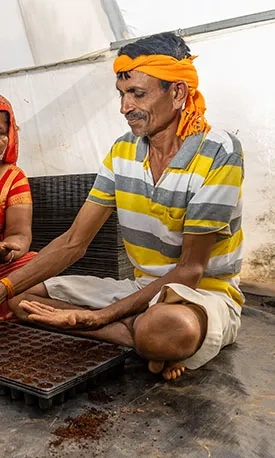
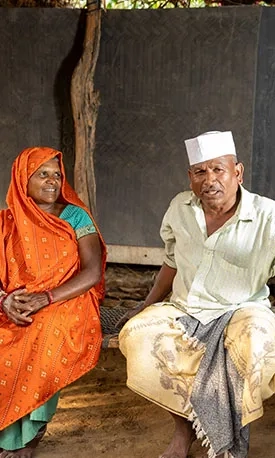
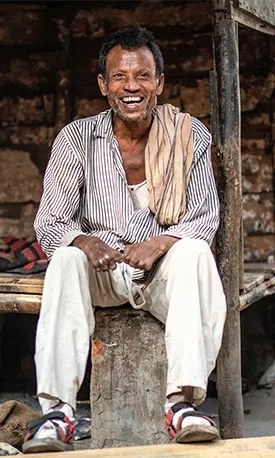
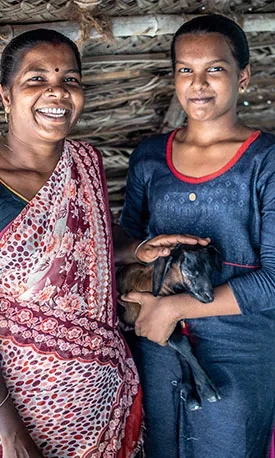
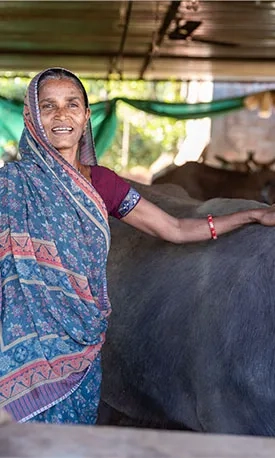
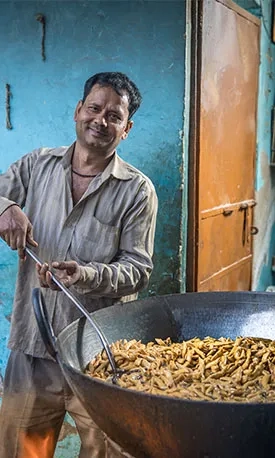
These films are rooted in authenticity. Every scene, conversation, and moment comes from real life. The focus is always on the people, their challenges, and triumphs. Context and dignity guide every frame, making the story both honest and relatable.
For NGOs in India, Development Sector Films Services for Non-Profits/NGOs in India offer a way to bring numbers and reports to life. They help donors see the human side of impact, understand the effort behind each milestone, and connect emotionally in ways traditional videos cannot match.
How Development Sector Films Support Different Donor Communication Needs
Development sector films help donors see, feel, and connect with impact in ways that traditional updates cannot. Here’s how they support communication:
- Fundraising and Campaigns: Show urgency and relevance through real stories, making fundraising communication for NGOs more compelling.
- CSR and ESG Reporting: Turn technical compliance into human experiences, enhancing ESG communication storytelling.
- Grant Reports and Donor Updates: Make abstract results visible, letting donors witness real milestones and change.
- Long-Term Relationship Building: Transform donors from contributors to partners by sharing consistent, authentic stories.
What Donors Actually Gain from Development Sector Films
Development sector films do more than show progress. They bring donors closer to the people, places, and stories behind every project. By witnessing real experiences, donors gain a clear understanding of how their contributions are making a difference while feeling the emotional truth of the work.
This transparency builds trust in implementation and fosters a stronger sense of participation, turning donors from supporters into partners in the journey. Through films, impact becomes tangible, relatable, and unforgettable, making them an essential tool for strategic donor communication.
Expressive Life’s Approach to Development Sector Films
Every film begins with listening. We step into communities, hear the stories that often go untold, and witness the moments that make change real. It is from these human experiences that our narratives grow, shaping films that feel alive rather than scripted.
We believe in storytelling that honors dignity. Each frame, each scene, and each voice is treated with care, ensuring that the people at the heart of the work are seen as partners, not subjects. These films are windows into the journeys of real people, capturing struggles, triumphs, and the subtle moments that make impact tangible.
Through our Development Sector Films Services, Expressive Life helps NGOs in India bring their work to life for donors. We transform reports, data, and milestones into experiences that donors can see, feel, and remember. Every film becomes a bridge, connecting hearts as well as minds, and creating trust that lasts far beyond a single campaign.
The Bottom Line
Support does not end at a transfer or a signature. For donors, it lives on in the desire to feel close to the work they believe in. When that closeness fades, impact can begin to feel distant, even when meaningful change is happening. Development sector films help restore that connection by opening a window into the everyday realities donors rarely see. Through moving images and real voices, films capture the rhythm of change as it unfolds. They show effort before outcomes, people before programs, and process before results. This is why films are becoming central to donor communication.
Working alongside NGOs/ Nonprofits across India, Expressive Life also approaches storytelling with patience, intensive care, and deep respect for lived experience. We focus on moments that feel full and unpolished.
Learn more about Expressive Life and how it helps ensure that impact is not only communicated but also deeply attached and remembered with core development sector film services.