
We live in a time of pings and scrolls. Content blinks in, blinks out. Amid this digital overload, print is experiencing an emotional comeback. Not because it’s faster, but because it asks us to pause. To sit with something. To feel it.
For NGOS/ nonprofits, this distinction is essential. Their work isn’t built on virality. It’s built on actual lives, slow transformation, the kind of change you can’t capture in a 30-second reel. Digital spreads the word, but it rarely holds the weight of what’s real. The texture of a story, the face behind the statistic, the years it took to build that well.
Coffee table books for nonprofits do what screens can’t. They give stories room to breathe. And many more than just books kept on a table. This blog will unfold the unsaid story of how coffee table books for non-profits have gained sudden popularity in this digital era.
From living rooms to boardrooms: The rise of coffee table books
Unbelievably, the phenomenon of coffee table books has moved from living rooms to boardrooms.
But initially, coffee table books were for silent admiration, placed in living rooms and personal spaces where art, culture, travel, and history could be explored at a gentle pace. For decades, nonprofits and NGOs have told their stories in the same way, often relying on data-heavy presentations and formal documentation, but they lacked “Emotions.” Then something changed. Gradually, coffee table books made their way from private homes into boardrooms, institutions, and public spaces, and they found their relevance beyond aesthetic appeal. The organizations started to ask: What if accountability could be beautiful too?
- Coffee table books for nonprofits emerged as legacy publications for NGOs.
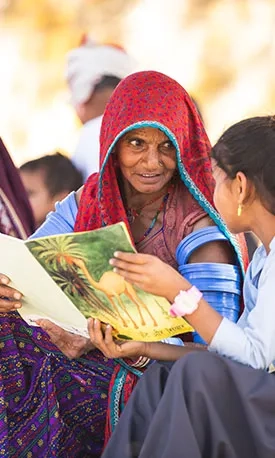
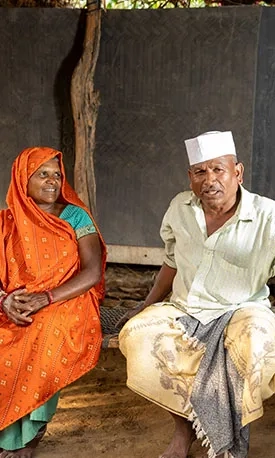
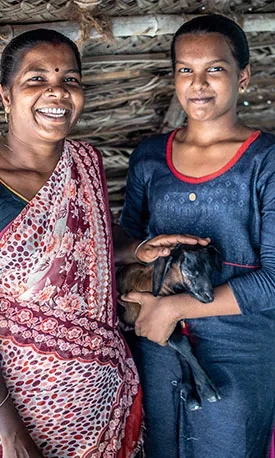
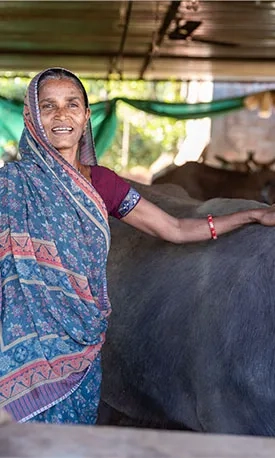
- A way to show the human side of development work. To put faces to statistics.
- These books became tools for donor engagement, conversation starters in board meetings, leave-behinds that kept working long after the pitch ended.
- Today, for CSR teams, charitable trusts, and social enterprises, they offered proof that serious work could be presented seriously and compellingly at once.
How NGOs use coffee table books as legacy publications
Most nonprofit work doesn’t show results overnight. It grows slowly, built through years of effort and trust earned on the ground. Yet these journeys often end up spread across reports and ignored folders. Coffee table books bring those fragments together.
As legacy publications for NGOs, they hold the full story in one place. The moments that have changed many lives. The people who made it happen. The challenges that shaped the path. Long after a project ends, these books continue to speak for the work. Reminding teams why the organization exists and showing stakeholders what the organization stands for.
It’s Use Cases
- Anniversary Editions
Coffee table books are often created to mark important milestones. It brings together years of work, stories, and people into a single narrative. They help organizations reflect on their journey, honour contributions, and preserve the essence of their mission over time. - Project Documentation
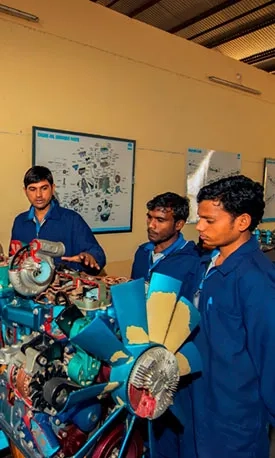
These books capture the full arc of a project for long-term initiatives. They offer depth and context that reports often miss, making them valuable records for teams, partners, and future reference. Years later, they remind everyone what it took to get there. - Policy and Program Journeys
In development and government-linked work, coffee table books document how policies and programs translate into real change. They trace ideas from planning to implementation, preserving institutional knowledge and lived experiences in a meaningful, accessible format. - Organizational Archives
For think tanks, social enterprises, and charitable trusts, these books serve as historical records. It showcases how it happened and who made it possible. They become part of the organization’s living memory. - Fundraising Campaign Collateral
Coffee table books during capital campaigns or fundraising drives become powerful leave-behinds. They keep on giving potential supporters a reason to revisit and reflect on their involvement with the story by keeping the conversation going even after the meetings are over. - Donor Recognition and Stewardship
Recent benchmarks from the Fundraising Effectiveness Project show that nonprofits retain about 36–50% of repeat donors, compared with roughly 11–19% of first‑time donors, depending on year and segment. Nonprofit coffee table books function as meaningful thank-you gifts. Such physical, story-rich, and attractive pieces help the donors to witness the impact of their giving and possibly strengthen the emotional tie that makes the support continuous.
- Board and Partner Engagement Tools
These books are not limited to being display pieces. They are active throughout the management and strategic discussions with partners. A professional and artistic book provides CSR or corporate social responsibility teams, board members, and partners with something concrete to keep in mind, a memento of the common goal and the developments made together.
What NGOs Consider Before Creating a Coffee Table Book
A coffee table book becomes effective only when it is approached as a thoughtful process. Before a coffee table book takes shape, there is usually a long pause. Organizations ask themselves what this book is really meant to do. Is it a moment of reflection, or a way to speak to people outside the organisation? Many NGOs also think carefully about focus. Some stories are best told at an institutional level, while others work better when centred on one program or phase.
Only a part of the whole story is selected for the book, and that is done purposely. Teams spend time identifying to come up with the most powerful and engaging moments. Moments where change is visible without being spelled out. Words are chosen with care, and so is what is left unsaid. The intent is never to impress, but to help readers truly understand the communities being represented. At this point, nonprofit storytelling through coffee table books shifts from communication to responsibility. Design follows the same approach.
With creative design for nonprofit publications, the focus stays on ease and clarity, allowing the reader to go through the pages slowly (without distraction) as the narrative unfolds at its own pace.
The Bottom Line
Some stories need time. They cannot be compressed into highlights or summaries because they carry years of work, relationships, and learning. For nonprofits and impact-driven organizations, coffee table books for nonprofits offer a way to hold these journeys together.
Expressive Life also believes that nonprofit storytelling through coffee table books is a careful and collective effort. Narrative, visuals, and design all must be in sync. Thus, our emphasis remains on depth, editorial integrity, editorial clarity, and creative design for nonprofit publications that honour both the story and the people involved.
Learn more about our coffee table books and how we are documenting years of impact into one timeless volume. A book that initiates conversations and keep legacy for decades.