Expressive Life: Visual Storytellers for Non-Profits

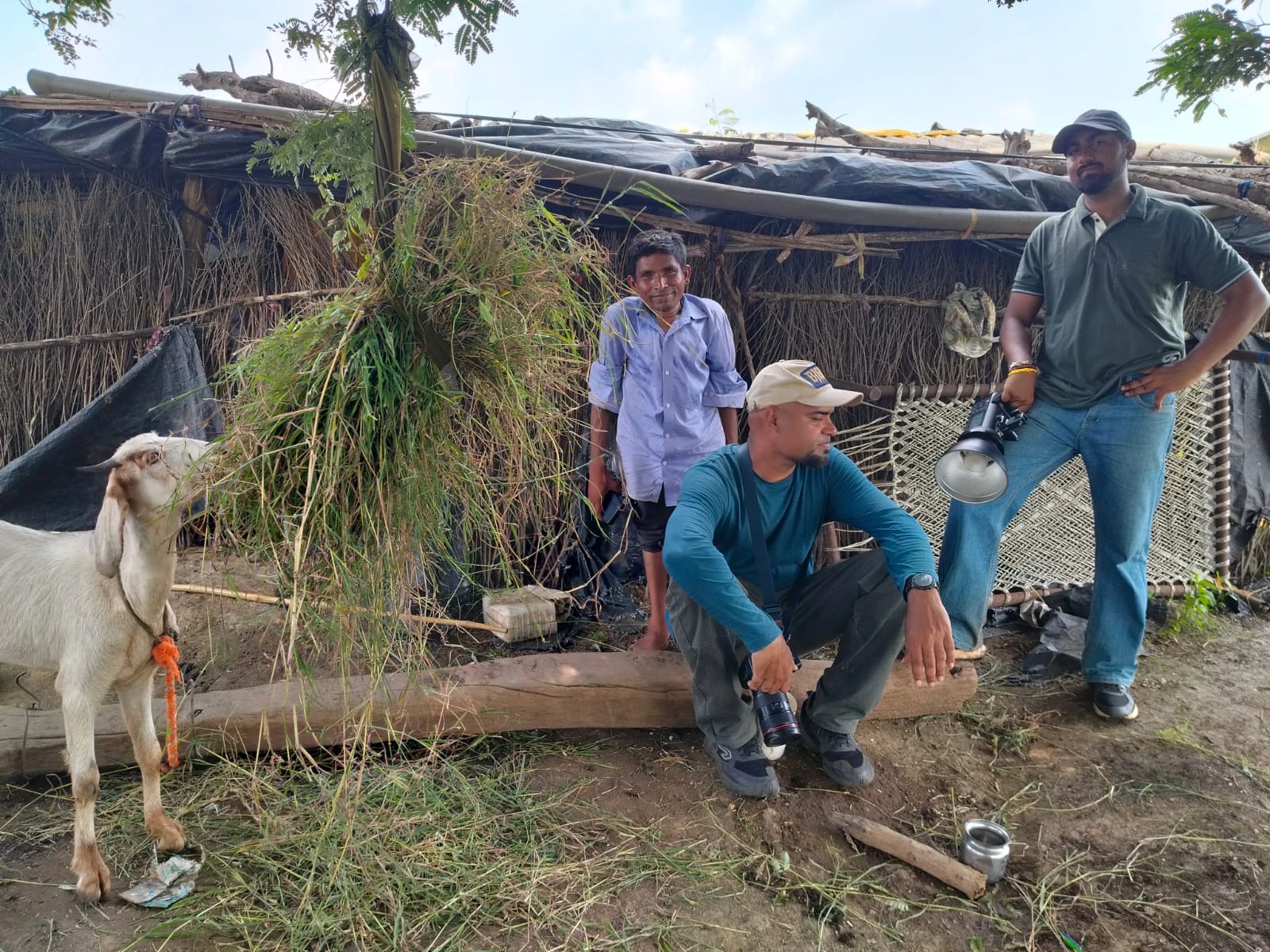
Nine Days, Four States, and the Tribal Heartland of India: A Field Visit with NM Sadguru Water and Development Foundation
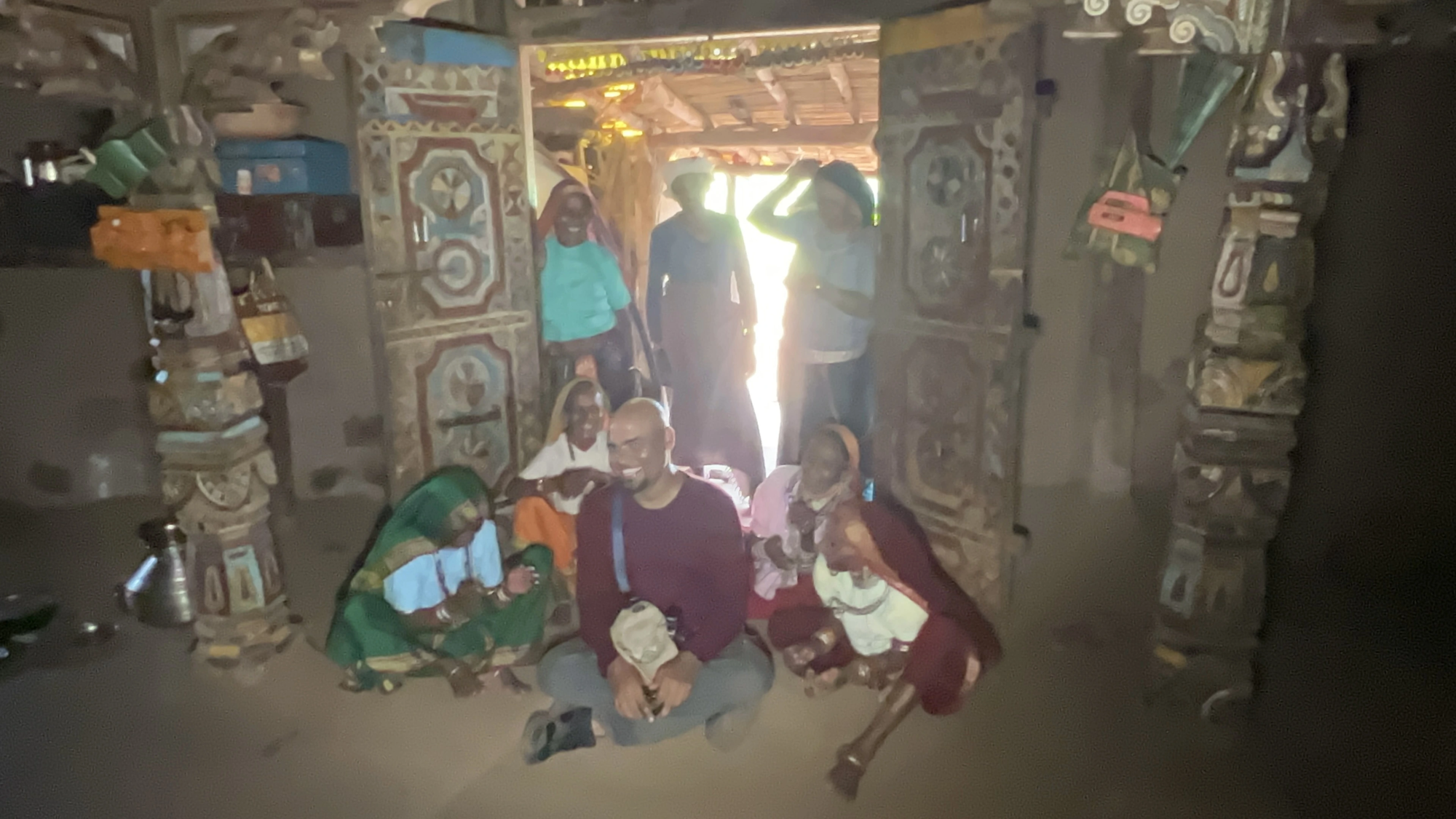
Some stories can’t be told from a city office. To document the work of NM Sadguru Water and Development Foundation, our team at Expressive Life spent nine days travelling through the tribal regions of Gujarat, Rajasthan, Madhya Pradesh and Maharashtra. It was one of the most meaningful field journeys we have undertaken.
The Journey Begins: Delhi to Godhra
Our journey began with a train from Delhi. We got down at Godhra Junction in Gujarat, where the first three days of the visit were planned.
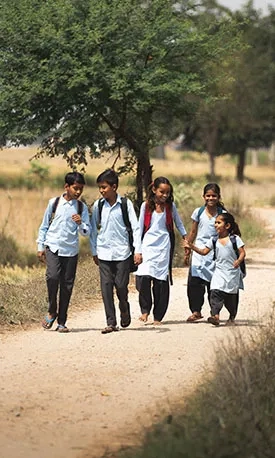
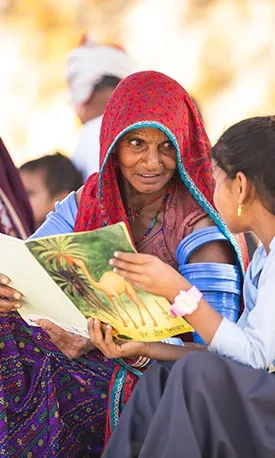
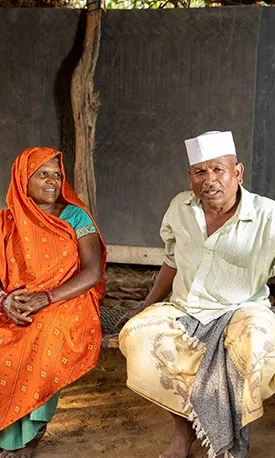
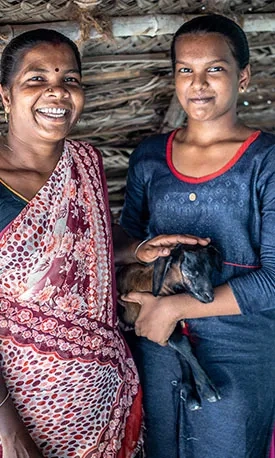
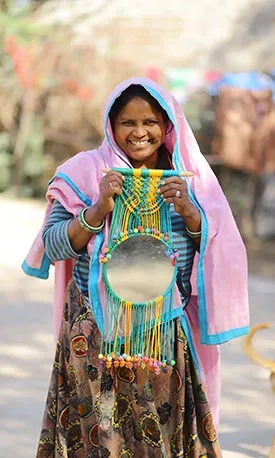
In Godhra, we travelled across tribal villages and spent time with the community. We sat with families, listened to their stories, and had lunch in their homes. It was the monsoon season, so we worked through the rains. Rain made the work harder, but it also showed the landscape and the people’s lives as they really are.
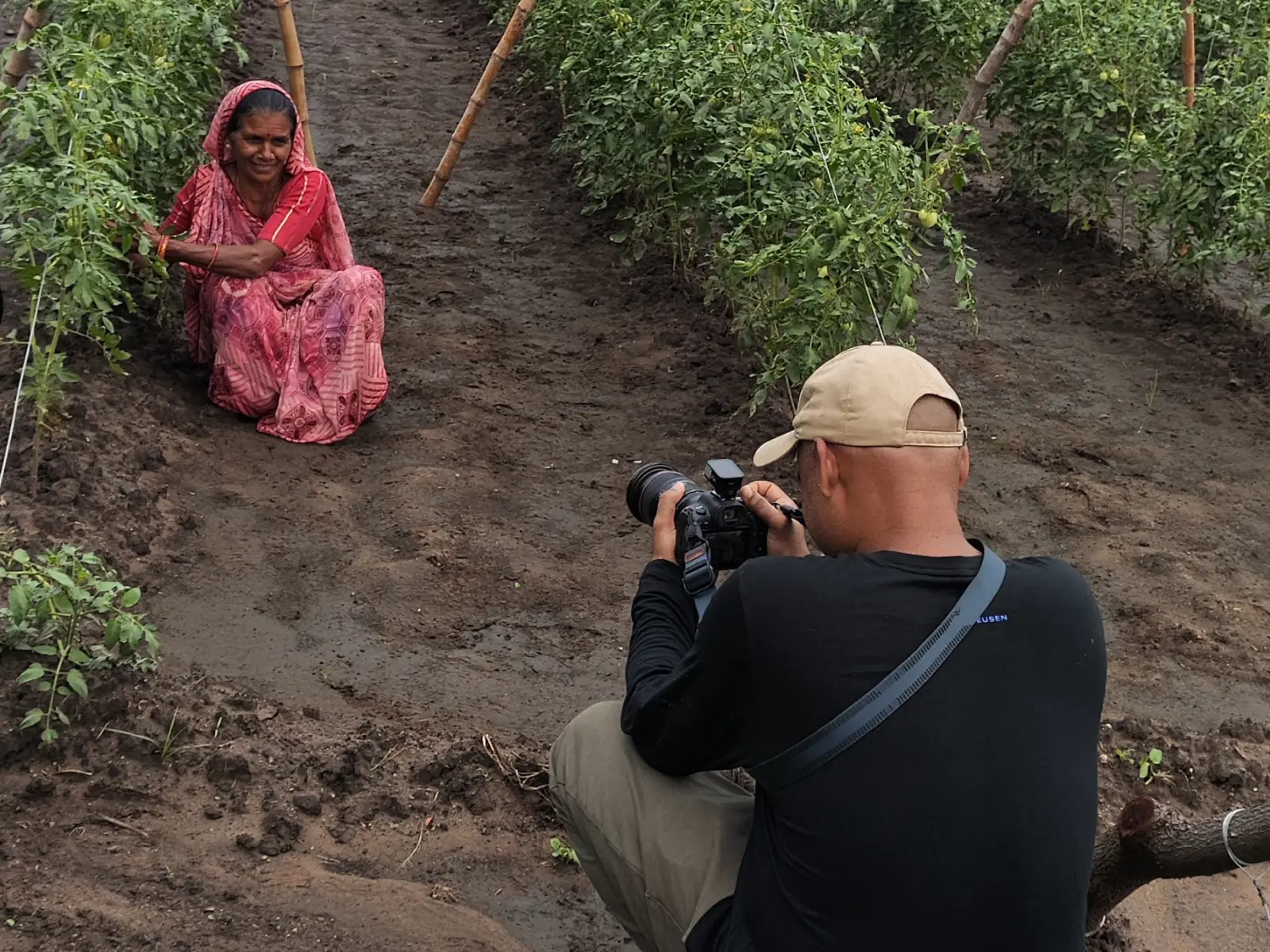
Kushalgarh, Rajasthan: The Resilience of Women Farmers
From Godhra, we moved to Kushalgarh in Banswara district, Rajasthan. We stayed at the Foundation’s office in Dahod, Gujarat, which was our base for this leg.
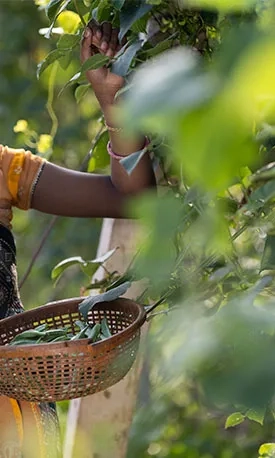
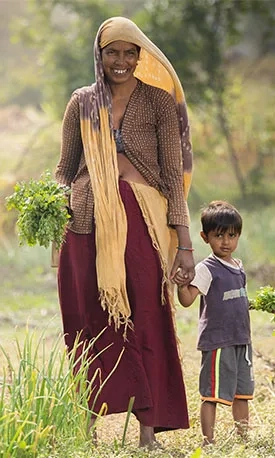
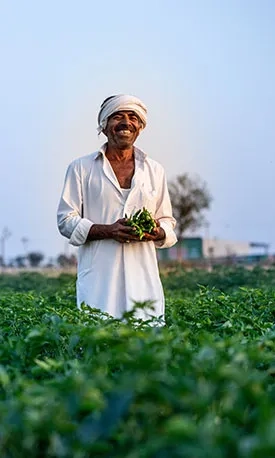
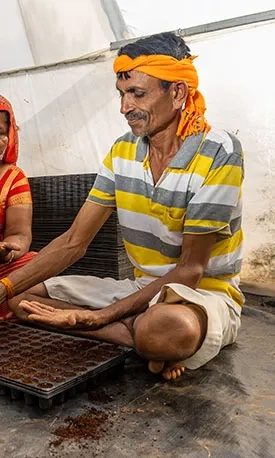
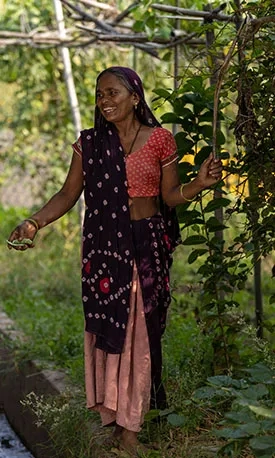
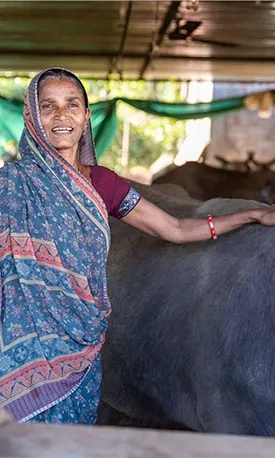
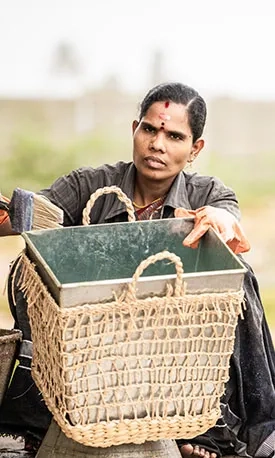
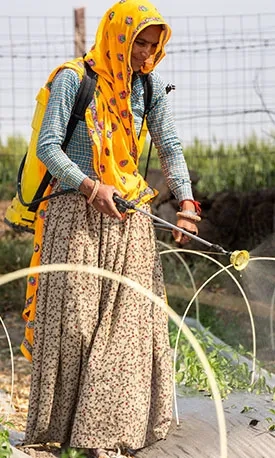
Kushalgarh showed us the resilience of women farmers. We saw them cultivating tomato, brinjal and chilli, and practising vermicomposting, turning small pieces of land into sources of food and income for their families.
Sendhwa, Madhya Pradesh: A Long Road and a Solar Solution
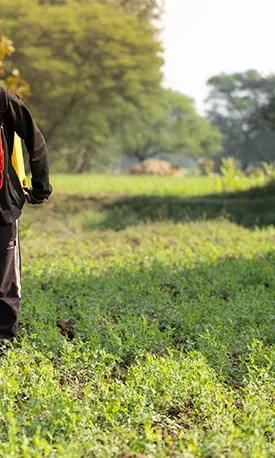
The next day, we left for Sendhwa. It is about 300 km away, so almost the entire day went into travel. The journey was worth it. In Sendhwa, we saw solar lift irrigation, a clean-energy solution bringing water to farmland that would otherwise depend on uncertain rain.
Khargone: The Highlight of the Trip
After Sendhwa, we reached Khargone in Madhya Pradesh, one of the most backward regions of the state. What stayed with us most was the warmth of the people. We were welcomed everywhere we went.
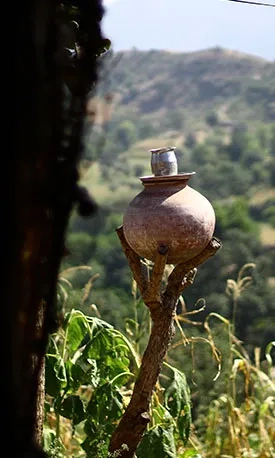
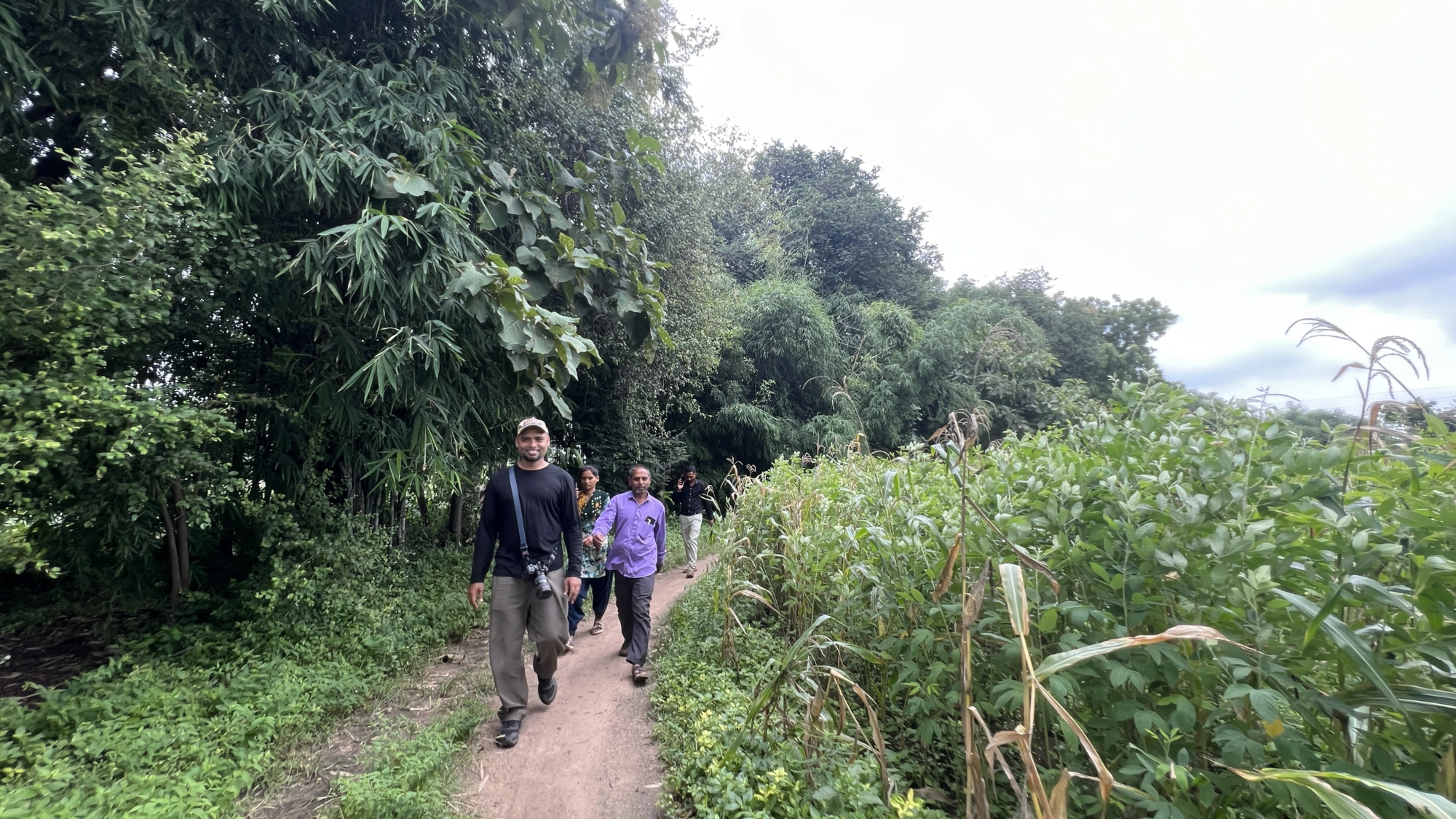
The journey to Khargone was the highlight of the visit. To reach the last villages, high up in the mountains, we used every possible mode of travel: car, bike, and finally on foot. These villages are far from roads, markets and services, which is exactly why this work matters.
Shahada, Maharashtra: Festivals, Flowers and Self-Help Groups
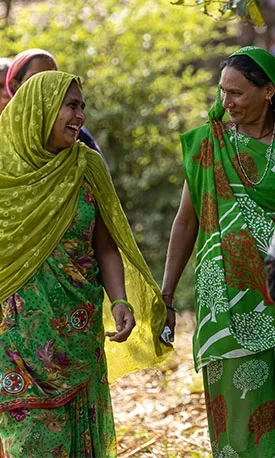
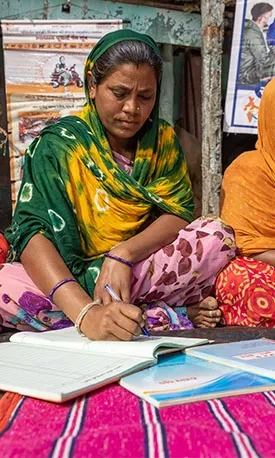
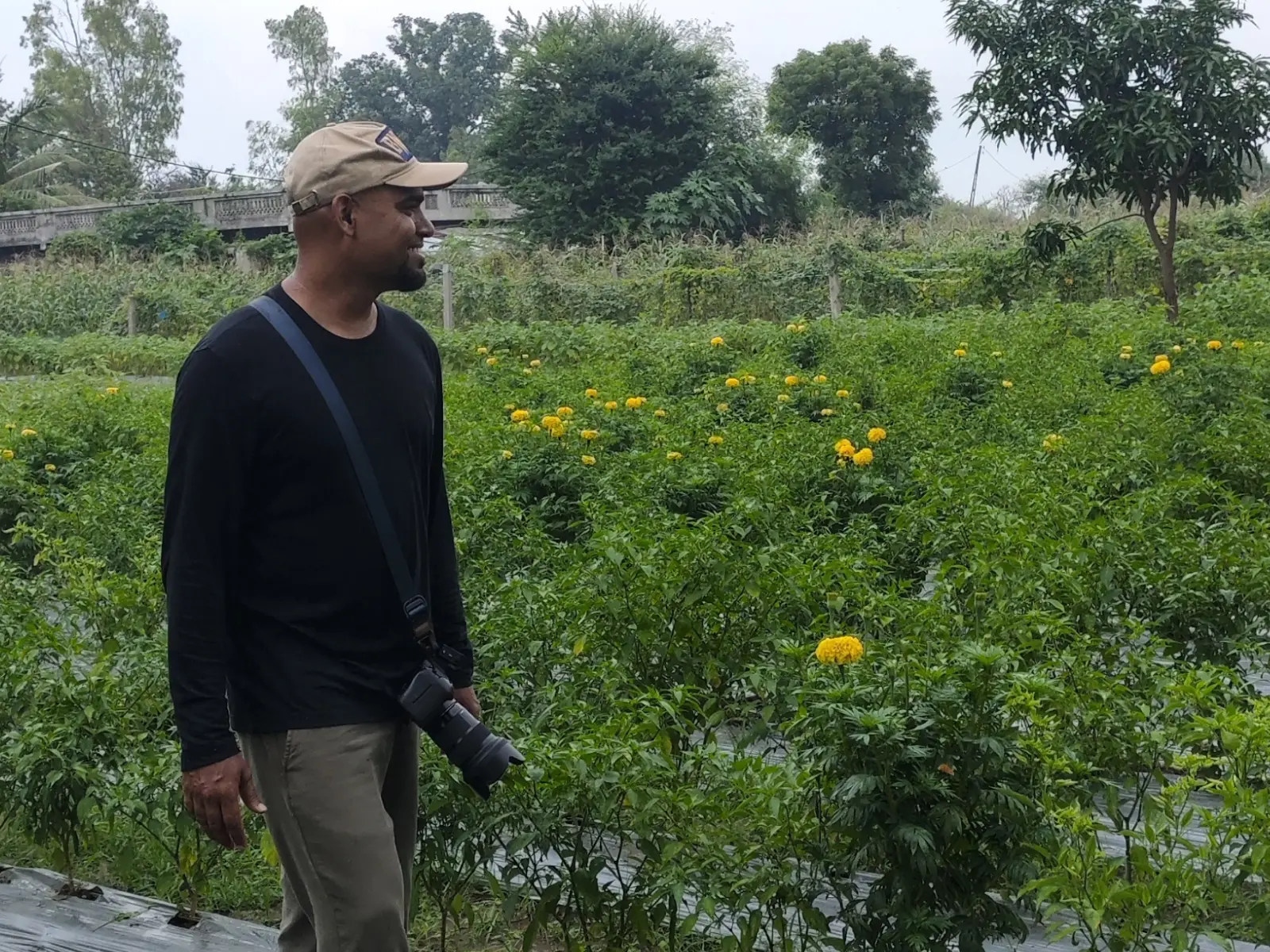
Our final destination was Shahada, a block in Nandurbar district, Maharashtra. Our visit coincided with the Ganpati festival, and we saw the celebrations in the villages. We also met women’s Self-Help Groups (SHGs) and saw floriculture initiatives, further examples of how livelihoods are being strengthened at the grassroots.
What We Took Away
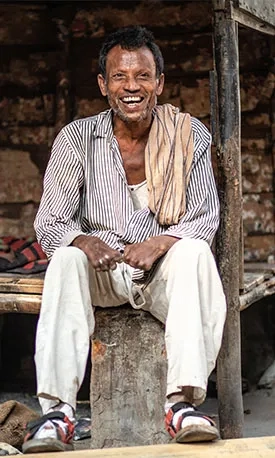
After visiting so many tribal villages, one thing became clear to us: to show the impact of a programme in the mountains and tribal regions, you have to travel very far, to the most remote places. The impact is not found along the highway. It is in the last village at the end of a mountain trail.
NM Sadguru Foundation is doing remarkable work in these backward and difficult regions, working hand in hand with communities on sustainable development, social welfare and tribal upliftment. It was a privilege for us to visit these places and document the impact of their work.
The Journey Home
We left Shahada and took the train to Nandurbar railway station, then onward to Surat, and finally back to Delhi.
It was, without doubt, one of the most impactful journeys of our recent work, a reminder of why we do what we do at Expressive Life: to tell the stories of change that happen far from the spotlight.
Expressive Life partners with NGOs, foundations and CSR initiatives to document and communicate their impact through photography, films, books and reports. Learn more at www.expressivelife.co.in.